
Why Do Teeth Develop Horizontal Lines or Grooves?
Allwyn Dental
11/21/2026
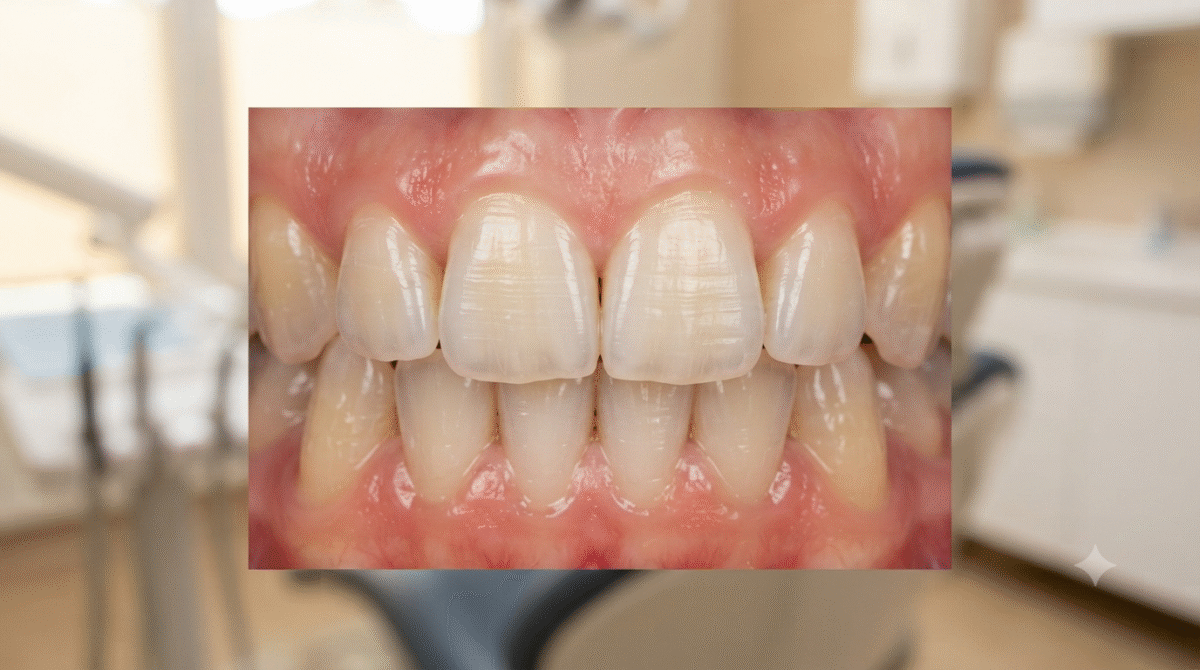
Have you ever looked closely at your teeth and noticed thin horizontal lines, ridges, or grooves across their surfaces? These marks may appear on one tooth or several teeth and can sometimes become more noticeable over time.
While some horizontal lines are harmless variations in tooth enamel, others may indicate enamel defects, physical wear, or damage that needs dental attention.
The appearance, depth, and location of these lines can help your dentist understand what may be causing them.
So, why do teeth develop horizontal lines or grooves? Are they a sign of weak enamel, or could they be linked to everyday habits?
Let’s explore the common causes and understand when these changes need professional attention.
What Are Horizontal Lines or Grooves on Teeth?
Horizontal lines or grooves are visible marks that run across the surface of a tooth. They may appear as shallow ridges, fine cracks, indentations, or deeper horizontal depressions.
These marks can develop in different ways depending on the structure of the tooth and the underlying cause.
Some may form while the tooth is developing, while others can appear later due to wear, injury, or changes in the enamel.
Understanding the difference is important because not every line requires treatment.
- Enamel Hypoplasia
One possible reason for horizontal grooves is enamel hypoplasia, a developmental condition in which the tooth does not develop enough enamel.
Enamel is the hard outer layer that protects teeth against everyday wear, temperature changes, and acid attacks.
When enamel formation is disrupted during tooth development, the affected teeth may develop visible defects.
Common signs include:
- Horizontal grooves or depressions
- White, yellow, or brown spots
- Thin or uneven enamel
- Increased tooth sensitivity
- Greater susceptibility to cavities
Enamel hypoplasia may affect baby teeth or permanent teeth, depending on when the disruption occurs.
Possible contributing factors include certain illnesses during childhood, nutritional deficiencies, trauma to developing teeth, and other disturbances during enamel formation.
A dentist can assess the affected area and recommend suitable preventive or restorative treatment.
- Dental Fluorosis
Dental fluorosis develops when children consume excessive fluoride while their permanent teeth are forming.
It can affect the appearance of tooth enamel, creating white streaks, spots, or, in more severe cases, brown discoloration and surface pitting.
Although mild fluorosis usually appears as white patches or lines rather than distinct horizontal grooves, more pronounced cases can affect the enamel’s surface texture.
The severity depends on the amount and timing of fluoride exposure during tooth development.
If you notice unusual lines, spots, or changes in enamel appearance, a dental examination can help determine whether fluorosis or another enamel condition is responsible.
- Teeth Grinding (Bruxism)
Do you often wake up with jaw soreness or notice that your teeth feel sensitive in the morning?
You may be experiencing bruxism, commonly known as teeth grinding or clenching.
Repeated grinding places excessive pressure on the teeth and can gradually wear down their enamel.
Although bruxism more commonly causes flattened chewing surfaces, it can also contribute to cracks, chips, and uneven tooth surfaces that may appear as lines or grooves.
Other signs of teeth grinding include:
- Worn-down tooth edges
- Increased tooth sensitivity
- Jaw pain or stiffness
- Morning headaches
- Small chips or cracks in teeth
A dentist can identify signs of grinding and recommend appropriate treatment, such as a custom night guard when necessary.
- Dental Erosion
Dental erosion occurs when acids gradually dissolve the mineral content of tooth enamel.
Unlike bacterial cavities, erosion is caused by direct acid exposure from foods, drinks, or stomach acids.
Frequent consumption of acidic beverages, citrus fruits, and soft drinks may contribute to enamel erosion. Conditions involving frequent acid reflux or vomiting can also expose teeth to stomach acid.
Over time, enamel may become thinner, smoother, or develop visible surface irregularities.
Some common warning signs include:
- Increased sensitivity
- Yellowish appearance as underlying dentin becomes more visible
- Smooth or worn tooth surfaces
- Changes in the shape of teeth
Once enamel is lost, it does not naturally grow back. Early dental evaluation can help prevent further damage.
- Craze Lines (Fine Surface Cracks)
Not every horizontal line on a tooth indicates a serious dental problem.
Craze lines are tiny, superficial cracks that develop in the outer enamel. They are relatively common in adult teeth and may become more noticeable with age.
They can develop due to everyday chewing forces, temperature changes, and normal wear over time.
Craze lines generally:
- Affect only the outer enamel
- Appear as thin lines on the tooth surface
- Usually do not cause pain
- Often do not require treatment
However, deeper cracks can extend into the inner tooth structure and may cause pain while chewing or sensitivity.
If a line is associated with discomfort, it should be examined by a dentist.
- Dental Trauma or Injury
An injury to the mouth can also cause visible lines, grooves, or cracks in teeth.
Accidents, sports injuries, falls, or biting down on hard objects may damage the enamel or underlying tooth structure.
Sometimes, the damage is not immediately noticeable. A small crack may become more visible over time or cause discomfort during chewing.
If you notice a new line following an injury, schedule a dental examination to check whether the tooth has been damaged.
How Can You Prevent Horizontal Lines and Grooves on Teeth?
Not all enamel defects can be prevented, particularly those that develop during childhood. However, maintaining good oral hygiene and avoiding habits that damage enamel can help protect your teeth.
Here are some simple steps to follow:
- Brush Gently: Use a soft-bristled toothbrush and fluoride toothpaste. Avoid aggressive brushing, which can contribute to tooth wear.
- Limit Acidic Foods and Drinks: Reduce frequent consumption of soft drinks, citrus juices, and other highly acidic items.
- Stay Hydrated: Drinking water helps maintain saliva production, which supports the natural protection of tooth enamel.
- Avoid Using Teeth as Tools: Do not use your teeth to open packages, bite hard objects, or break shells.
- Address Teeth Grinding: If you grind or clench your teeth, consult your dentist about suitable treatment options.
- Schedule Regular Dental Checkups: Routine examinations help identify enamel defects, cracks, and early signs of tooth damage.
When Should You Visit a Dentist?
While some horizontal lines are harmless, certain changes should not be ignored.
Consider scheduling a dental appointment if you notice:
- Deep or increasingly visible grooves
- Sudden changes in tooth appearance
- Sensitivity to hot or cold foods
- Pain while biting or chewing
- Chipped or cracked enamel
- Brown or yellow discoloration around the lines
Your dentist may examine the tooth visually, assess its surface, and recommend dental imaging if a deeper crack or structural problem is suspected.
Treatment depends on the underlying cause and may include fluoride applications, dental bonding, fillings, or crowns when appropriate.
Horizontal lines and grooves on teeth can develop for several reasons, ranging from natural enamel variations and developmental defects to grinding, acid erosion, and dental injuries.
While some marks are harmless, others may indicate changes in enamel or damage that requires treatment.
The important thing is to understand what is causing the lines rather than assuming they are simply a cosmetic concern.
If you notice unusual grooves, cracks, or changes in your tooth surfaces, consult your dentist for a proper evaluation. Early attention can help protect your enamel, prevent further damage, and keep your smile healthy.

