
Why Some Teeth Need a Crown After a Root Canal
Allwyn Dental
10/03/2026
A root canal removes infected or inflamed tissue from inside a tooth and helps preserve the natural tooth. But finishing the root canal does not always mean the treatment is complete.
Depending on the tooth’s condition, your dentist may recommend a dental crown after a root canal. This is particularly common for back teeth, which absorb significant forces during chewing. But why is a crown sometimes necessary, and does every root canal-treated tooth need one?
The answer depends on the amount of remaining tooth structure, the tooth’s location, its function, and the type of restoration needed to protect it.
What Happens to a Tooth During a Root Canal?
Inside a tooth is the pulp, which contains nerves and blood vessels. When the pulp becomes infected or irreversibly inflamed, root canal treatment removes the affected tissue.
The dentist then cleans and disinfects the root canal system before sealing it to prevent further bacterial contamination.
Although the procedure treats the infection inside the tooth, it does not automatically restore the tooth’s lost structure. A tooth that required root canal treatment may already have significant damage from decay, cracks, trauma, or previous restorations.
That is where the final restoration becomes important.
Why Can a Root Canal-Treated Tooth Need Extra Protection?
The biggest concern is often remaining tooth structure.
A tooth that has lost substantial structure from decay, large fillings, fractures, or previous dental procedures may be more vulnerable to damage during normal chewing. Root canal treatment itself is not simply a process that makes a tooth “brittle,” as is sometimes assumed. Rather, the amount of healthy tooth structure remaining and the forces placed on the tooth are important factors.
A crown can cover and protect much of the remaining tooth, helping restore its shape and function.
Why Are Back Teeth More Likely to Need Crowns?
Molars and premolars handle considerable chewing forces. They also have a larger chewing surface and may lose significant structural support when extensive decay or restorations are involved.
For these teeth, a crown or another appropriate cuspal-coverage restoration may be recommended to reduce the risk of the tooth breaking.
Front teeth generally experience different forces and often retain more of their natural structure after root canal treatment. In some cases, a bonded restoration may provide sufficient protection instead of a crown.
Your dentist determines the appropriate restoration based on the individual tooth rather than applying the same treatment to every root canal-treated tooth.
What Does a Crown Actually Do?
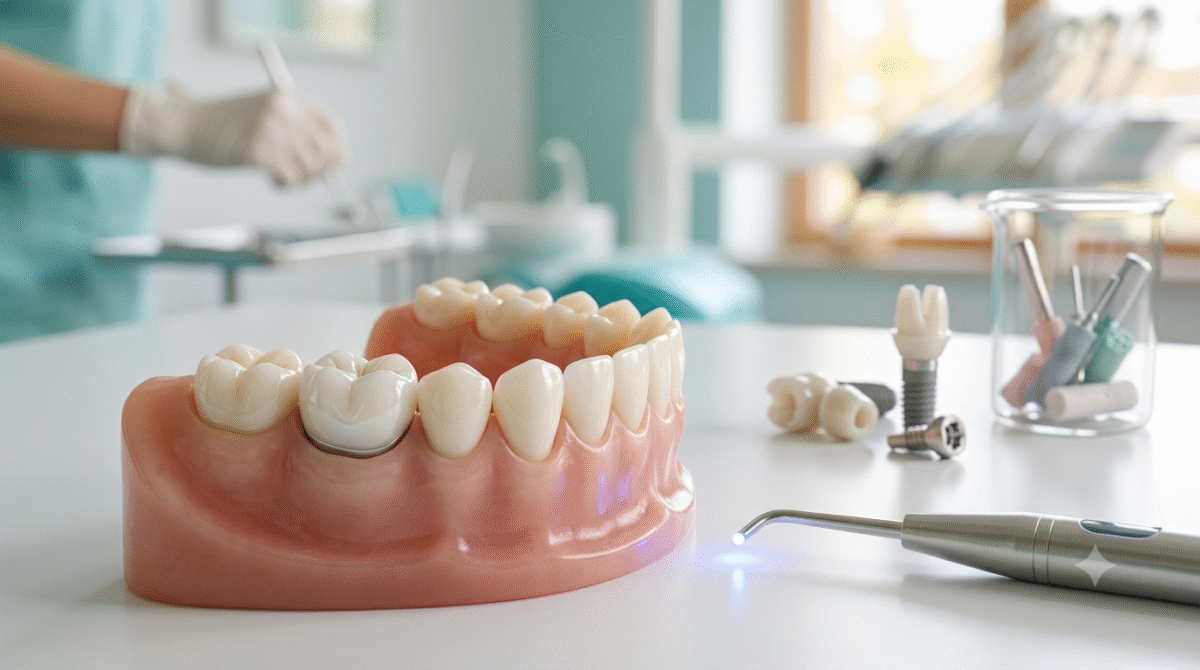
A crown is a custom-made restoration that covers the visible portion of a prepared tooth.
After a root canal, the crown can help:
- Restore the tooth’s shape and function
- Protect weakened remaining tooth structure
- Cover areas affected by extensive decay or previous restorations
- Restore normal chewing surfaces
- Reduce the risk of certain types of fracture
However, a crown cannot guarantee that a tooth will never fracture. Proper planning and maintaining good oral hygiene remain important.
Does Every Root Canal-Treated Tooth Need a Crown?
No. Not every tooth that has undergone a root canal automatically requires a crown.
The final restoration depends on several factors, including:
- Which tooth was treated
- How much natural tooth structure remains
- The size of the existing restoration
- Whether the tooth has cracks or other damage
- The forces placed on the tooth
- Your bite and chewing patterns
- The location and appearance of the tooth
For some front teeth with substantial remaining structure, a bonded filling or other restoration may be sufficient.
Your dentist may recommend a different type of restoration when a full crown is not necessary or appropriate.
What Happens If You Delay the Final Restoration?
After root canal treatment, the tooth may feel significantly better because the source of the inflammation or infection has been treated. This can make it tempting to postpone the final restoration.
However, if the tooth requires additional structural protection, delaying it may leave the tooth vulnerable to fracture or further damage.
It is important to follow your dentist’s instructions about how to use the tooth while waiting for its permanent restoration. In some cases, you may be advised to avoid chewing hard foods on the treated tooth until the final restoration is placed.
What If the Tooth Already Has a Large Filling?
A large filling can restore a tooth, but it may not replace all of the structural support lost through decay or previous treatment.
If the remaining tooth structure is compromised, your dentist may recommend a crown or another restoration that covers and protects the vulnerable areas.
The decision should be based on the condition of the individual tooth rather than simply the presence of a filling.
How Long Does a Crown Last?
The lifespan of a dental crown varies depending on the material, oral hygiene, bite forces, habits, and the condition of the underlying tooth.
Regular dental checkups allow your dentist to monitor the crown and the tooth beneath it. Brushing twice a day, cleaning between your teeth, and avoiding habits such as chewing ice or using your teeth to open objects can also help protect the restoration.
A root canal can save a natural tooth, but treating the infection is only part of restoring its long-term function. Some teeth need a crown afterward because they have lost significant structural support and require additional protection during chewing.
Back teeth are particularly likely to need cuspal coverage because they experience substantial chewing forces, while some front teeth may be successfully restored without a full crown.
If your dentist recommends a crown after a root canal, ask about the amount of remaining tooth structure, the type of restoration being considered, and why it is appropriate for your specific tooth. Understanding the reason behind the recommendation can help you make an informed decision about protecting your treated tooth.

