
Are Whitening Strips Damaging Your Enamel?
Allwyn Dental
03/07/2026
A bright, white smile has become one of the most desired aspects of modern dental aesthetics. With the growing popularity of at-home whitening solutions, whitening strips are often the first option people turn to. They are affordable, convenient, and widely available.
But a common question many patients ask is: Are whitening strips damaging your enamel?
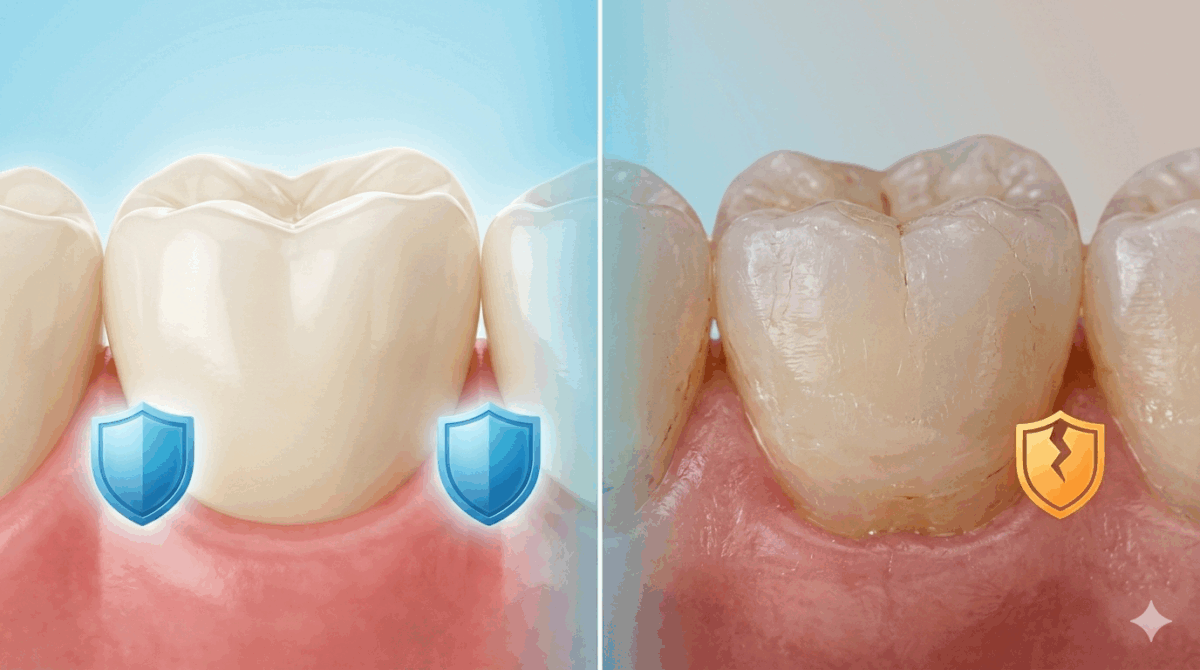
The short answer is not necessarily — when used correctly. However, misuse, overuse, or certain dental conditions can increase the risk of enamel damage and sensitivity. Understanding how whitening strips work and when they are safe to use can help protect your smile while achieving the results you want.
What Are Whitening Strips and How Do They Work?
Whitening strips are thin, flexible plastic strips coated with a whitening gel that usually contains hydrogen peroxide or carbamide peroxide. These ingredients are commonly used in both over-the-counter and professional whitening treatments.
When applied to the teeth, the whitening agent penetrates the outer surface of the tooth and breaks down stain molecules. This chemical reaction helps lighten discoloration caused by:
- Coffee and tea
- Red wine
- Smoking or tobacco use
- Aging
- Certain foods and beverages
Most whitening strip kits recommend daily use for 10 to 30 minutes over a period of 7–14 days to see noticeable results.
Does Whitening Damage Tooth Enamel?
Tooth enamel is the hardest substance in the human body, designed to protect the inner layers of the teeth. When whitening strips are used as directed, research shows they generally do not permanently damage enamel.
However, there are some important considerations.
Temporary Changes to Enamel
Whitening agents can temporarily make enamel more porous during the treatment process. This is part of how stains are removed. After treatment, saliva and minerals in the mouth usually help restore the enamel’s natural balance.
Sensitivity Is More Common Than Damage
The most common side effect from whitening strips is tooth sensitivity, not enamel erosion. Sensitivity may occur because the peroxide penetrates through enamel and irritates the inner nerve of the tooth.
This sensitivity usually disappears within a few days after stopping treatment.
When Whitening Strips Can Become a Problem
While whitening strips are generally safe, improper use can increase the risk of dental issues.
Overusing Whitening Products
Using whitening strips more frequently than recommended can expose enamel to excessive peroxide, potentially leading to:
- Increased tooth sensitivity
- Gum irritation
- Enamel weakening over time
Following the manufacturer’s instructions is essential.
Using Them on Damaged Teeth
Whitening strips are not suitable for everyone. If you have certain dental conditions, they may cause problems.
Avoid whitening strips if you have:
- Tooth decay
- Cracked or chipped teeth
- Worn enamel
- Gum disease
- Dental restorations like crowns or veneers in visible areas
In these cases, whitening products may cause uneven results or worsen discomfort.
Signs You Might Be Overusing Whitening Strips
If whitening strips are harming your teeth or gums, your mouth may give warning signs.
Common symptoms include:
- Sharp or lingering tooth sensitivity
- Gum irritation or whitening of the gums
- Tooth pain when eating hot or cold foods
- Uneven or chalky-looking enamel
If you notice these symptoms, it’s best to stop using the strips and consult your dentist before continuing treatment.
Professional Whitening vs. Whitening Strips
Many people choose whitening strips because they are convenient and inexpensive. However, professional teeth whitening treatments offered by dental clinics provide several advantages.
Stronger Yet Controlled Whitening
Dentists use professional-grade whitening agents that are stronger but applied in a controlled, safe environment.
Customized Treatment
A dental professional evaluates your teeth, enamel health, and existing dental work before recommending whitening treatment.
Reduced Sensitivity
Many professional treatments include desensitizing agents that help minimize discomfort.
Faster Results
Professional whitening can often deliver noticeable results in a single visit, compared to several weeks of at-home treatment.
Tips for Whitening Your Teeth Safely
If you choose to use whitening strips, following these best practices can help protect your enamel.
- Follow the instructions carefully
Never leave strips on longer than recommended. - Avoid excessive whitening cycles
Give your teeth time to recover between treatments. - Maintain good oral hygiene
Brush twice daily and floss regularly to keep stains from returning quickly. - Limit stain-causing foods
Coffee, tea, red wine, and tobacco can quickly reverse whitening results. - Talk to your dentist first
A quick dental exam can determine whether whitening strips are safe for your teeth.
Whitening strips can be an effective way to brighten your smile, and when used correctly, they generally do not cause permanent enamel damage. However, overuse or using them on already compromised teeth can lead to sensitivity and potential enamel issues.
If you’re unsure whether whitening strips are right for you, consulting a dental professional is the safest option. A dentist can evaluate your enamel health and recommend the most effective and safe whitening solution for your smile.
A healthy smile should always come first – because the goal isn’t just whiter teeth, but stronger teeth too.

