Orthodontic treatment has evolved far beyond just metal braces for teens. Today, early intervention, advanced technology, and customized plans make it possible for people of nearly all ages to benefit from a healthier, straighter smile. But when is the ideal age to start orthodontic treatment?
Whether you’re a parent exploring options for your child or an adult considering treatment later in life, this guide breaks down everything you need to know—including expert recommendations, benefits by age, comparisons, and common myths.
Understanding Orthodontic Treatment
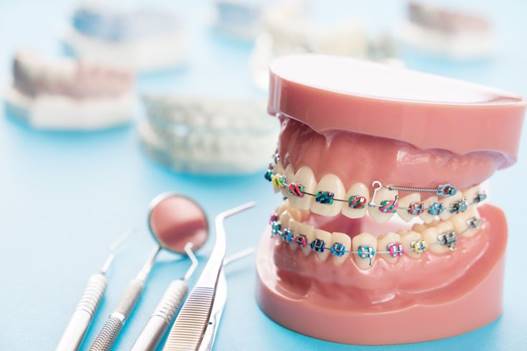
Orthodontic treatment refers to the use of devices (like braces or aligners) to correct dental and jaw alignment issues such as:
- Crowded or crooked teeth
- Overbites, underbites, or crossbites
- Gaps between teeth
- Jaw misalignment or bite issues
Orthodontic care isn’t only about aesthetics—it also improves oral function, dental health, and even breathing and speech.
What Is the Ideal Age for Starting Orthodontic Treatment?
The Short Answer: Ages 7–14
According to the American Association of Orthodontists (AAO), the ideal age for a first orthodontic evaluation is 7. However, actual treatment may begin anytime between ages 9–14, depending on the child’s developmental needs.
Why Age 7 Is the Sweet Spot for Evaluation
- Mixed dentition stage: At this age, children typically have both baby and permanent teeth, making it easier to spot potential issues.
- Jaw development is underway: Orthodontists can assess bite alignment and growth patterns.
- Early intervention can prevent more complex treatments later (like jaw surgery or tooth extractions).
Orthodontic Treatment: Age-Based Comparison
| Age Group | Common Issues | Treatment Options | Benefits |
| 7–10 (Early/Mixed Dentition) | Crossbite, crowding, thumb sucking effects | Expanders, partial braces, habit appliances | Guides jaw growth, reduces future treatment time |
| 11–14 (Teen Years) | Misaligned teeth, bite issues | Traditional braces, clear aligners | Peak bone growth period, high success rate |
| 15–30 (Young Adults) | Aesthetic concerns, relapse from skipped retainers | Invisalign, ceramic braces | Discreet, faster options available |
| 30+ (Adults) | Bite correction, tooth wear, spacing | Clear aligners, lingual braces, surgical orthodontics | Improved oral function, confidence boost |
Signs Your Child May Need Orthodontic Care Early
Even if your child’s teeth look straight, there could be underlying issues. Schedule an orthodontic consultation if you notice:
- Early or late loss of baby teeth
- Difficulty chewing or biting
- Jaw shifting, clicking, or popping
- Frequent mouth breathing or snoring
- Prolonged thumb sucking or pacifier use
Early Orthodontic Treatment vs. Later Treatment
Early Treatment (Interceptive Orthodontics):
- Goal: Guide jaw growth, correct harmful habits, improve airway function
- Typical age: 7–10
- Pros: May reduce need for future extractions or invasive treatments
Later Treatment (Comprehensive Orthodontics):
- Goal: Align teeth and bite after most permanent teeth have erupted
- Typical age: 11–18
- Pros: Ideal timing for braces or aligners due to growth phase
Key Comparison:
| Factor | Early Treatment | Later Treatment |
| Duration | Often shorter if started early | May be longer if complex issues |
| Cost | Potentially lower long-term | May increase with complexity |
| Aesthetics | May reduce need for braces in teen years | More visible during high school or adult life |
Is There Such Thing as Too Late for Orthodontic Treatment?
Not at all! Adults now make up over 30% of orthodontic patients, thanks to clear aligners and aesthetic treatment options.
Real User Intent: Many adults ask, “Am I too old for braces?” The answer is no—age isn’t a barrier to achieving a functional and beautiful smile.
Adult orthodontic treatment can address:
- Long-standing bite problems
- Spacing from missing teeth
- TMJ pain
- Aesthetic concerns for personal or professional confidence
Expert Tips Before Starting Orthodontic Treatment
- Choose a board-certified orthodontist for specialized care.
- Ask about treatment timing and phases—especially for kids.
- Use dental insurance or payment plans to manage costs.
- Ensure compliance with retainers after treatment to prevent relapse.
Benefits of Early Orthodontic Treatment
- Healthier bite and jaw development
- Easier oral hygiene with aligned teeth
- Reduced risk of tooth trauma
- Improved speech development
- Increased self-confidence in social situations
Share Your Smile Journey!
Have you or your child started orthodontic treatment early—or waited until later in life?
Share your experience in the comments! Your story could help others make informed decisions.
Final Thoughts:
The ideal age to start orthodontic treatment varies by individual, but early evaluation around age 7 is the best way to plan ahead. Whether you’re 7 or 57, it’s never too early—or too late—to take the first step toward a better smile.
FAQs:
Q:1 Can baby teeth be moved with orthodontics?
A: Yes, some appliances work with baby teeth to prepare space for incoming permanent teeth.
Q:2 Does early treatment guarantee no braces later?
A: Not always—but it can make later treatment faster, simpler, and more effective.
Q:3 Are clear aligners available for teens and adults?
A: Yes, options like Invisalign Teen and adult Invisalign offer discreet alternatives to braces.