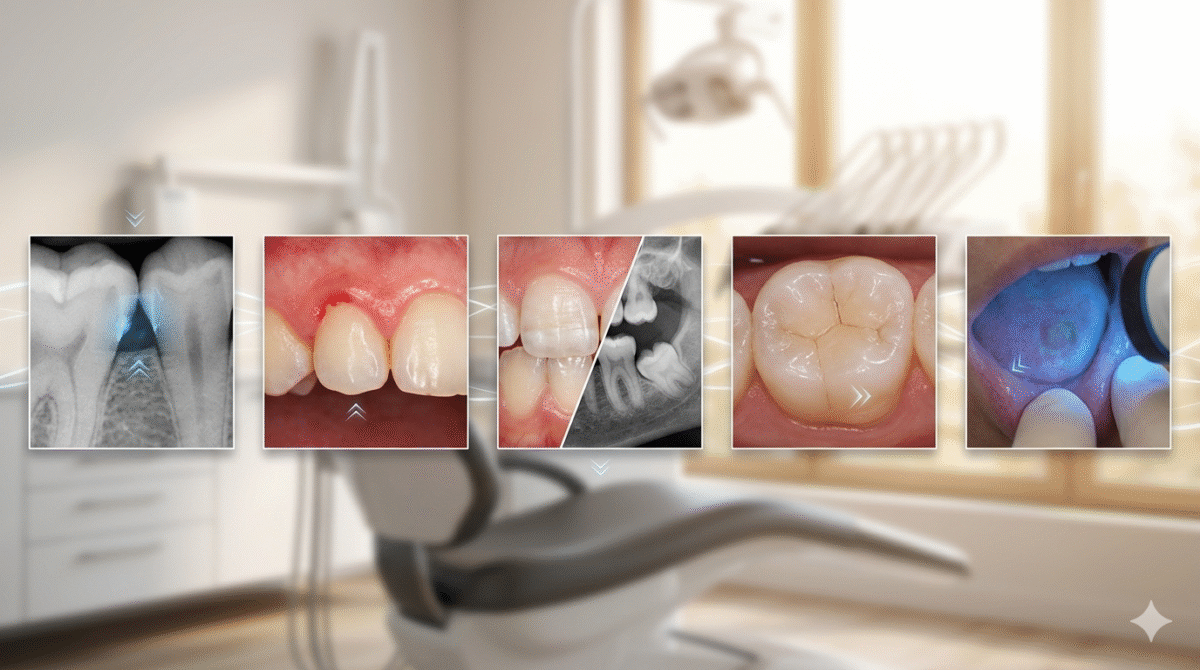
5 Dental Conditions That Can Be Detected Before Symptoms Appear

One of the biggest misconceptions about oral health is that if your teeth don’t hurt, everything must be fine. In reality, many dental conditions develop silently, causing little to no discomfort in their early stages. By the time symptoms become noticeable, treatment may be more complex, time-consuming, and costly.

This is why regular dental checkups are so important. Dentists are trained to identify subtle signs of oral health problems long before patients experience pain or visible symptoms.

Here are five common dental conditions that can often be detected before you even realize they’re there.

  1. Tooth Decay (Cavities)

Many people associate cavities with toothaches, but early tooth decay rarely causes pain.

A cavity begins when bacteria in the mouth produce acids that gradually weaken tooth enamel. In the initial stages, the damage is often too small to be felt. However, dentists can identify early decay through visual examinations, digital X-rays, and other diagnostic tools.

Detecting cavities early offers several advantages:

  • Smaller, less invasive treatments
  • Preservation of healthy tooth structure
  • Reduced treatment costs
  • Prevention of future discomfort

When caught early, some areas of enamel demineralization may even be managed before a cavity fully develops.

  1. Gum Disease

Gum disease is one of the most common oral health conditions, yet many patients don’t know they have it until it progresses.

Early-stage gum disease, known as gingivitis, may cause only mild symptoms such as:

  • Slight redness
  • Minor swelling
  • Occasional bleeding while brushing

Because these signs are often painless, many people overlook them.

During routine cleanings and examinations, dentists can detect gum inflammation, plaque buildup, and early changes in gum health before more serious periodontal disease develops.

Early intervention can help prevent:

  • Gum recession
  • Bone loss
  • Tooth mobility
  • Tooth loss
  1. Cracked or Fractured Teeth

Not all cracked teeth cause immediate pain. Small fractures can develop from teeth grinding, chewing hard foods, trauma, or natural wear over time.

In the beginning, these cracks may not be visible to the patient and may not produce any symptoms. However, if left untreated, they can worsen and eventually lead to:

  • Tooth sensitivity
  • Pain when chewing
  • Infection
  • Tooth loss

Regular dental exams allow dentists to identify cracks early and recommend treatments that help preserve the tooth before significant damage occurs.

  1. Impacted Wisdom Teeth

Wisdom teeth don’t always announce their arrival with pain. In many cases, they become impacted—meaning they are trapped beneath the gums or unable to erupt properly—without causing noticeable symptoms.

Even when they aren’t painful, impacted wisdom teeth can create problems such as:

  • Crowding of neighboring teeth
  • Gum infections
  • Cyst formation
  • Damage to adjacent teeth

Routine dental X-rays often reveal impacted wisdom teeth long before they become problematic. Early monitoring allows dentists to determine whether removal may be beneficial.

  1. Oral Cancer

Oral cancer is one of the most important conditions dentists screen for during routine examinations.

In its early stages, oral cancer may cause no pain and very few noticeable symptoms. Dentists are trained to look for warning signs such as:

  • Unusual tissue changes
  • Persistent sores
  • White or red patches
  • Lumps or abnormalities

When detected early, oral cancer treatment is generally more effective and outcomes are often significantly improved.

This is one reason regular dental visits are about much more than just cleaning teeth—they can play a vital role in protecting overall health.

Why Early Detection Matters

Many dental problems follow a similar pattern: they start small, remain silent, and gradually worsen over time.

When conditions are identified early, patients often benefit from:

  • Less invasive treatment
  • Lower treatment costs
  • Faster recovery
  • Better long-term outcomes
  • Reduced risk of complications

Preventive care is almost always easier and more affordable than treating advanced dental disease.

How Dentists Detect Hidden Problems

Modern dental practices use a variety of tools to identify issues before symptoms appear, including:

  • Comprehensive oral examinations
  • Digital X-rays
  • Gum health assessments
  • Oral cancer screenings
  • Intraoral imaging technology

These evaluations allow dentists to uncover hidden concerns that may not yet be visible or painful.

The absence of pain doesn’t always mean your mouth is healthy. Conditions such as cavities, gum disease, cracked teeth, impacted wisdom teeth, and even oral cancer can develop quietly before symptoms appear.

Regular dental checkups give your dentist the opportunity to catch these issues early, when treatment is often simpler, more comfortable, and more effective. By staying proactive with preventive care, you can protect your smile, avoid unexpected dental problems, and maintain better oral health for years to come.

The Psychology Behind Smile Confidence

A smile is one of the first things people notice about you. It plays a powerful role in communication, relationships, and self-expression. But beyond its physical appearance, a smile has a profound psychological impact on how we feel about ourselves and how others perceive us.

Have you ever noticed that when you’re confident about your smile, you’re more likely to laugh freely, speak openly, and engage comfortably in social situations? That’s because smile confidence goes far beyond aesthetics—it influences self-esteem, emotional well-being, and even professional success.

Let’s explore the psychology behind smile confidence and why maintaining a healthy smile can positively affect many areas of life.

Why Smiles Matter Psychologically

Smiling is a universal form of communication. It signals friendliness, warmth, trustworthiness, and positivity. Studies have shown that people who smile are often perceived as more approachable, confident, and successful.

But the benefits of smiling aren’t limited to how others see us. Smiling can also influence our own emotional state. When we smile, the brain releases chemicals such as dopamine, serotonin, and endorphins, which are associated with feelings of happiness and reduced stress.

This creates a positive feedback loop: feeling good encourages smiling, and smiling helps us feel even better.

The Connection Between Smile Confidence and Self-Esteem

For many people, concerns about stained, chipped, crooked, or missing teeth can affect self-confidence. Individuals who feel self-conscious about their smiles may:

  • Avoid smiling in photos
  • Cover their mouths when speaking
  • Feel anxious in social situations
  • Hesitate during presentations or interviews
  • Experience lower self-esteem

Over time, these behaviors can influence personal and professional interactions.

When people feel proud of their smile, they often become more comfortable expressing themselves. This increased confidence can lead to improved communication, stronger social connections, and a more positive self-image.

How Your Smile Affects First Impressions

Research consistently shows that first impressions are formed within seconds of meeting someone. A genuine smile is one of the most influential nonverbal signals people use when evaluating others.

A confident smile can communicate:

  • Friendliness
  • Trustworthiness
  • Approachability
  • Confidence
  • Professionalism

Whether you’re attending a job interview, meeting new clients, or socializing with friends, your smile can shape how others perceive you before you even say a word.

The Social Benefits of Smile Confidence

People who feel confident about their smiles are often more likely to engage in social interactions. Smiling encourages positive responses from others, helping build rapport and strengthen relationships.

Confident smiles can contribute to:

  • Better social interactions
  • Improved personal relationships
  • Increased workplace confidence
  • Enhanced networking opportunities
  • Greater comfort in public settings

When you’re not worried about hiding your teeth, you can focus more on connecting with the people around you.

The Impact on Professional Success

In professional environments, confidence plays a significant role in communication and leadership. A healthy smile can contribute to a polished appearance and help individuals feel more assured during meetings, presentations, and interviews.

While skills and experience remain the most important factors in career success, confidence often influences how effectively those qualities are communicated.

Many professionals report feeling more comfortable speaking publicly and interacting with colleagues after addressing dental concerns that previously affected their confidence.

How Dental Health Supports Smile Confidence

Smile confidence isn’t solely about cosmetic appearance. Good oral health plays a major role in how people feel about their smiles.

Healthy teeth and gums can help prevent issues such as:

  • Bad breath
  • Tooth discoloration
  • Gum disease
  • Missing teeth
  • Tooth sensitivity

Routine dental care, including regular checkups, professional cleanings, and proper oral hygiene habits, helps maintain both the health and appearance of your smile.

For patients seeking additional improvements, treatments such as teeth whitening, orthodontics, veneers, or restorative procedures may help enhance smile confidence even further.

Building Confidence Through Oral Care

Improving smile confidence often starts with simple daily habits:

  • Brush twice a day with fluoride toothpaste
  • Floss daily
  • Visit your dentist regularly
  • Limit foods and drinks that stain teeth
  • Address dental concerns early
  • Stay hydrated to support oral health

Small improvements can make a meaningful difference in both oral health and self-esteem.

The psychology behind smile confidence is powerful. A healthy, confident smile can positively influence self-esteem, emotional well-being, social interactions, and even professional opportunities. When you feel good about your smile, you’re more likely to share it—and that confidence often extends into every aspect of your life.

Taking care of your oral health isn’t just an investment in your teeth and gums; it’s an investment in your confidence. Because sometimes, one of the simplest ways to improve how you feel about yourself is to smile.