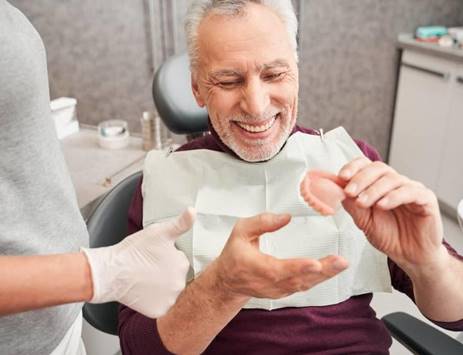
Can You Eat Normally with Dentures?

For individuals who wear dentures, one of the most frequently asked questions is: “Can I eat normally with dentures?” The answer is yes—but it takes some time, patience, and the right techniques. Whether you’re new to dentures or have worn them for years, eating with them can be a challenge without proper guidance.

This blog post—crafted by dental professionals—explores how to regain your chewing confidence with practical tips and expert advice. If you’re considering or already using dentures in San Antonio, read on to improve your experience and enjoy food once again.

Understanding the Basics of Eating with Dentures

Dentures are prosthetic devices designed to replace missing teeth and surrounding tissues. Modern dentures are crafted to look natural and function efficiently, but they do require a period of adaptation.

Common Challenges When Eating with Dentures

  • Difficulty chewing certain foods
  • Soreness or discomfort during early use
  • Changes in taste sensation
  • Fear of dentures slipping while chewing

These challenges are completely normal in the beginning but can be managed effectively with proper care and practice.

Tips for Eating Comfortably with Dentures

1. Start with Soft Foods

As you begin wearing new dentures, give your mouth time to adjust.

Recommended soft foods:

  • Mashed potatoes
  • Yogurt and pudding
  • Scrambled eggs
  • Cooked vegetables
  • Smoothies and soups

Avoid hard, sticky, or crunchy foods until you feel confident with basic chewing.

2. Chew Evenly on Both Sides

Chewing food on both sides of the mouth at the same time helps stabilize the dentures and reduces pressure on any one area.

Expert tip: Cut food into smaller pieces and take your time chewing to maintain control.

3. Use Denture Adhesives Wisely

Over-the-counter denture adhesives can enhance suction and reduce movement, especially during meals.

Benefits of using adhesives:

  • Minimizes slipping
  • Reduces gum irritation
  • Boosts confidence while eating

Consult your dentist before regular use to ensure compatibility with your specific dentures.

4. Stay Hydrated

Dry mouth can interfere with denture stability and comfort. Drinking plenty of water not only improves oral health but also helps keep your dentures secure while eating.

5. Be Cautious with Temperature and Texture

Dentures can sometimes reduce your ability to sense temperature and texture accurately, which may lead to accidental burns or chewing injuries.

Foods to approach carefully:

  • Hot beverages and soups
  • Crunchy bread or raw vegetables
  • Sticky sweets or chewing gum

Foods to Avoid (At Least Initially)

While most people return to a normal diet over time, it’s wise to avoid certain foods early in the adjustment process.

Avoid these when you’re new to dentures:

  • Nuts and seeds (can dislodge dentures)
  • Hard candies and ice
  • Popcorn (kernels can cause pain or damage)
  • Corn on the cob
  • Tough meats (opt for ground or shredded versions instead)

Long-Term Eating Tips for Denture Wearers

Once you’re comfortable wearing dentures in San Antonio, eating becomes easier and more natural. Here are some advanced tips to help you maintain comfort and functionality:

Maintain Regular Dental Visits

Even if you wear full dentures, regular check-ups are essential to ensure proper fit and prevent oral infections or bone loss.

Get Your Dentures Adjusted as Needed

If you notice discomfort while chewing, sore spots, or shifting of your dentures, see your dentist promptly. Ill-fitting dentures can impact your ability to eat normally.

Explore Implant-Supported Dentures

If you struggle with stability or have dietary restrictions due to loose dentures, consider implant-supported dentures. These provide better support and allow for a wider food variety.

Dentures in San Antonio: Local Support and Solutions

San Antonio is home to several highly qualified dental professionals who specialize in designing, fitting, and adjusting dentures. If you’re struggling to eat or need a denture adjustment, consult a local clinic for personalized guidance.

Benefits of choosing a local provider:

  • Easy access to follow-up care
  • Faster denture adjustments and repairs
  • Ongoing support for oral health and hygiene

Searching for dentures in San Antonio? Look for dental offices with on-site labs, flexible financing, and positive patient reviews.

Conclusion: Yes, You Can Eat Normally with Dentures! Adapting to dentures takes time, but with patience and the right strategies, most individuals return to eating the foods they love. By starting slowly, practicing good habits, and seeking expert care, you can enjoy meals with confidence and comfort.
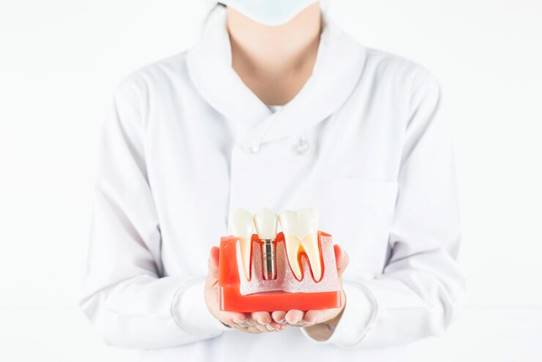
What Are the Symptoms of Periodontal Disease?

Periodontal disease, commonly known as gum disease, is a serious infection of the gums that can damage the soft tissue and destroy the bone that supports your teeth. While it may start subtly, the effects of periodontal disease can be long-lasting, painful, and even lead to tooth loss if not treated early. Knowing the symptoms of periodontal disease is crucial for protecting your oral health and overall well-being.

In this blog, we’ll explore the most common signs and symptoms of periodontal disease, its causes, and why early detection is essential for effective treatment.

What is Periodontal Disease?

Periodontal disease is a progressive gum infection that affects the tissues surrounding and supporting the teeth. It usually starts with gingivitis, a mild inflammation of the gums caused by plaque buildup. If left untreated, gingivitis can advance to periodontitis, a more severe condition that can lead to permanent damage to your teeth and gums.

According to the CDC, nearly 50% of adults over 30 in the U.S. suffer from some form of periodontal disease, making it one of the most common oral health issues.

Early Warning Signs: Symptoms of Gingivitis

The early stage of gum disease, gingivitis, is often painless, which means many people don’t realize they have it. However, there are several warning signs you should not ignore:

1. Red or Swollen Gums

Healthy gums should appear firm and pink. If your gums are red, swollen, or tender, it may be a sign of inflammation caused by plaque buildup.

2. Bleeding Gums

If your gums bleed when you brush or floss, it’s an early warning sign of gingivitis. Bleeding gums should never be ignored, even if there’s no pain.

3. Persistent Bad Breath (Halitosis)

Chronic bad breath that doesn’t go away after brushing could be a symptom of bacteria under the gum line, a hallmark of early periodontal disease.

4. Gum Sensitivity

Tingling, soreness, or unusual gum sensitivity during brushing or eating may signal early gum problems.

Advanced Symptoms: Signs of Periodontitis

If gingivitis is not treated promptly, it can progress to periodontitis. In this stage, the gums begin to pull away from the teeth, forming pockets that become infected. Over time, the body’s immune system fights the bacteria, breaking down bone and connective tissue.

5. Receding Gums

One of the most noticeable signs of periodontitis is gum recession, where the gums pull back from the teeth, making teeth appear longer.

6. Deep Pockets Between Teeth and Gums

Dentists measure the depth of the pockets around your teeth to assess the severity of periodontal disease. Deep pockets indicate significant gum and bone loss.

7. Loose or Shifting Teeth

As the disease progresses and bone is lost, teeth may begin to feel loose or shift out of position, affecting your bite and chewing function.

8. Pain While Chewing

Discomfort or pain while eating, especially when biting down, can be a sign of tooth instability caused by underlying bone damage.

9. Pus Between Gums and Teeth

Visible pus or signs of infection are a clear indicator that your gums are inflamed and fighting off a severe bacterial infection.

What Causes Periodontal Disease?

The primary cause of periodontal disease is poor oral hygiene that allows plaque—a sticky film of bacteria—to build up on the teeth and harden into tartar. However, several risk factors can contribute to or worsen gum disease:

  • Smoking or tobacco use
  • Hormonal changes (pregnancy, menopause)
  • Chronic illnesses such as diabetes or heart disease
  • Medications that cause dry mouth or gum changes
  • Genetics
  • Poor nutrition or vitamin deficiencies

Why Early Detection Is Crucial

Catching periodontal disease in its early stages can save your teeth and gums. Regular dental checkups and cleanings are key to preventing the disease from advancing. Once bone loss occurs, it becomes much more difficult and expensive to treat.

Early treatment options may include:

  • Professional cleanings
  • Scaling and root planing (deep cleaning)
  • Antibacterial rinses
  • Improved at-home oral care routine

In severe cases, surgical treatments such as flap surgery or bone grafting may be required.

How to Prevent Periodontal Disease

Good oral hygiene is your first line of defense. Here’s how you can reduce your risk:

  • Brush twice a day with fluoride toothpaste
  • Floss daily to remove plaque between teeth
  • Visit your dentist every 6 months
  • Avoid tobacco products
  • Eat a balanced, nutritious diet
  • Use an antimicrobial mouthwash

If you notice any of the symptoms mentioned above, don’t wait. Early action can help reverse gingivitis and prevent periodontitis from developing.

Final Thoughts

Periodontal disease is more common than many people realize—and it’s also more preventable. The key is understanding the symptoms and seeking professional dental care at the first sign of trouble. Bleeding gums, bad breath, and gum recession are not normal and should never be ignored.

If you’re experiencing any symptoms of gum disease or haven’t had a dental checkup in a while, now is the time to act. Your oral health plays a vital role in your overall health, and maintaining healthy gums is essential to keeping your smile strong for life.