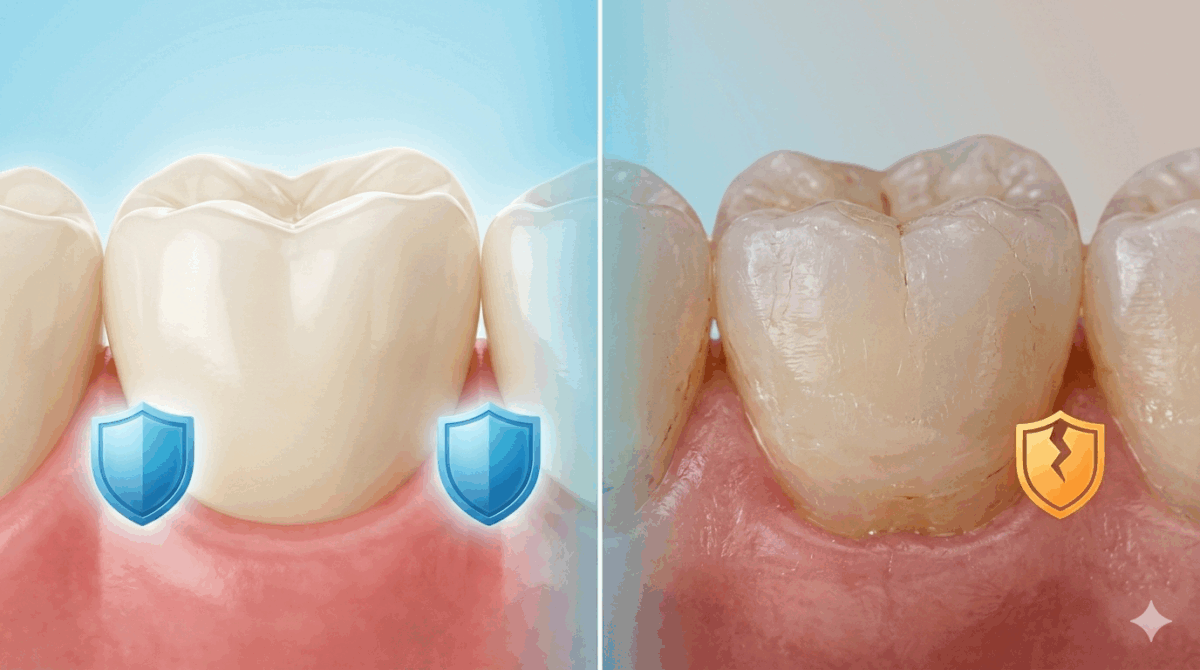
The Impact of Eating Habits & Tooth Grinding on the Life of Your Composite Fillings

Composite fillings are one of the most popular restorative options in modern dentistry. They blend seamlessly with your natural tooth color, preserve more of your natural structure, and provide lasting protection from decay. But despite their durability and aesthetic appeal, composite fillings are not indestructible. Everyday habits—especially the foods you eat and whether you grind your teeth—can significantly influence how long your fillings last.

Understanding the connection between lifestyle choices and filling longevity can help you protect your dental work and avoid unnecessary repairs. Here’s an in-depth look at how eating habits and tooth grinding impact the life of your composite fillings, along with expert tips for keeping them strong for years.

How Eating Habits Affect Composite Fillings

What you eat and how you eat it plays a major role in the wear and tear of your fillings. While composite fillings are designed to withstand daily chewing, certain foods and behaviors can shorten their lifespan.

1. Hard & Crunchy Foods Can Cause Cracks

Chewing hard foods—such as ice, nuts, hard candy, popcorn kernels, and even tough bread—places excessive pressure on composite fillings. Although these fillings are resilient, they don’t have the same strength as natural enamel. Repeated pressure can lead to microcracks, chips, or complete fractures over time.

Tip: If you must have something crunchy, chew slowly and avoid biting directly with teeth that have large fillings.

2. Sticky Foods Can Dislodge or Pull at Fillings

Sticky foods like caramel, toffee, gummies, and chewing gum can tug at the edges of your fillings. Over time, this weakens the bond between the filling and tooth, increasing the risk of leakage or loosening.

Tip: Opt for non-sticky alternatives and rinse your mouth after eating sugary treats.

3. Sugar & Acid Increase Wear

Sugary and acidic foods create an environment that weakens tooth enamel and increases the risk of recurrent decay around your filling. Acidic beverages—like soda, citrus juices, and energy drinks—can also erode the composite material itself.

Tip: Use a straw for acidic drinks and rinse with water after consuming anything high in sugar or acid.

4. Frequent Snacking Causes Constant Stress

Constant snacking means your teeth—and fillings—never get a break. Every chewing cycle introduces wear, and every exposure to sugar creates new acids. This can lead to premature filling failure.

Tip: Stick to balanced meals and minimize unnecessary snacking.

Tooth Grinding (Bruxism): The Hidden Enemy of Composite Fillings

Tooth grinding is one of the biggest but least recognized reasons composite fillings fail prematurely. Many people grind their teeth at night without even realizing it.

1. Grinding Exerts Extreme Pressure

Bruxism puts as much as 250 pounds of force on the teeth—far more than normal chewing. This tremendous pressure causes wear, fractures, and surface flattening of composite fillings.

2. It Weakens the Bond Between Filling & Tooth

Constant grinding stresses the edges of your fillings, creating tiny gaps where bacteria can enter. This can lead to recurrent decay underneath the restoration—often without any pain until it’s too late.

3. Grinding Changes Your Bite

Over time, bruxism can alter your bite, creating uneven pressure on your fillings. When a filling takes on more force than intended, it breaks down faster.

4. Nighttime Grinding Is Especially Damaging

Because you’re unaware during sleep, grinding tends to be more intense at night. This prolonged, unintentional clenching accelerates wear.

Signs Your Eating Habits or Grinding Are Damaging Your Fillings

If you experience any of these symptoms, your fillings may already be affected:

  • Increased sensitivity to hot, cold, or sweet foods
  • Roughness or sharp edges around the filling
  • A visible crack or chip
  • Discomfort when chewing
  • Food getting stuck around the filling area
  • Headaches or jaw soreness from grinding

Early detection can save both the filling and the tooth.

How to Protect Your Composite Fillings

With the right habits, composite fillings can last 5–10 years or more. Here’s how to keep them in excellent condition:

1. Avoid Using Teeth as Tools

Tearing open packets, biting nails, or chewing pens puts unnecessary stress on your fillings.

2. Limit Hard & Sticky Foods

Try softer alternatives and avoid chewing ice altogether.

3. Wear a Night Guard if You Grind

A custom night guard absorbs grinding force and protects both your fillings and natural teeth.

4. Maintain Excellent Oral Hygiene

Good brushing and flossing prevent decay around fillings—one of the most common reasons they fail.

5. Schedule Regular Dental Checkups

Your dentist can detect early wear, fractures, or leakage before they become serious problems.

6. Choose a Balanced Diet

Include foods rich in calcium and avoid constant grazing to minimize acid exposure.

Composite fillings are strong, natural-looking, and designed to last—but their longevity depends heavily on your daily habits. Eating hard or sticky foods, consuming acidic beverages, or grinding your teeth can place excessive strain on these restorations. By being mindful of what you eat, addressing signs of bruxism, and maintaining routine dental visits, you can significantly extend the life of your fillings and protect your overall oral health. If you suspect your fillings are wearing out or need a professional evaluation, schedule a visit with your dentist today.

Are You a Candidate for a Dental Bridge? Signs You Shouldn’t Ignore

A confident smile can make all the difference — but missing teeth can affect not only your appearance but also your oral health and daily comfort. If you’ve lost one or more teeth, you may have heard of dental bridges as a reliable solution. But how do you know if you’re the right candidate for one?

In this blog, we’ll discuss what dental bridges are, who qualifies for them, and the signs that indicate you may need one.

What Is a Dental Bridge?

A dental bridge is a custom-made restoration used to replace one or more missing teeth. It literally “bridges” the gap between your remaining teeth using a false tooth (called a pontic) supported by crowns or implants on either side.

Dental bridges come in different types:

  • Traditional Bridge: Uses crowns on adjacent teeth for support.
  • Cantilever Bridge: Attached to only one supporting tooth.
  • Maryland Bridge: Uses a metal or porcelain framework bonded to the back of the supporting teeth.
  • Implant-Supported Bridge: Anchored by dental implants instead of natural teeth.

Your dentist will recommend the best option based on your oral health, the location of the missing tooth, and your overall treatment goals.

Why Replacing Missing Teeth Matters

Some people ignore missing teeth, especially if the gap isn’t visible when they smile. However, leaving the space unfilled can lead to several dental issues, such as:

  • Shifting of adjacent teeth
  • Bite misalignment (malocclusion)
  • Difficulty chewing and speaking
  • Jawbone deterioration
  • Increased risk of gum disease or decay in neighbouring teeth

A dental bridge helps prevent these complications by restoring your bite, smile, and confidence.

Signs You Might Be a Candidate for a Dental Bridge

If you’re wondering whether a dental bridge is right for you, here are some clear signs that you should discuss the option with your dentist:

1. You Have One or More Missing Teeth

This is the most obvious reason to consider a bridge. If you have a gap left by one or more missing teeth, especially in the same area, a bridge can help restore your smile and oral function.

2. Your Adjacent Teeth Are Strong and Healthy

For traditional bridges, the neighbouring teeth (called abutment teeth) act as anchors. If these teeth are healthy and have good bone support, you’re an ideal candidate.

If those teeth are weak or decayed, your dentist may recommend strengthening them with crowns or exploring implant-supported bridges instead.

3. You Have Difficulty Chewing or Speaking Properly

Missing teeth can affect how you chew food and pronounce words. A bridge restores proper function, helping you eat comfortably and speak clearly again.

4. You Notice Your Teeth Shifting or Your Bite Changing

When a tooth is missing, the surrounding teeth naturally start to drift into the empty space over time. This leads to bite problems, crooked teeth, and even jaw pain. If you notice a change in your bite or teeth alignment, it’s time to see your dentist — a bridge can prevent further misalignment.

5. You Feel Self-Conscious About Your Smile

Confidence matters. If you find yourself hiding your smile in photos or social situations because of missing teeth, a dental bridge can beautifully restore your smile’s natural look. Modern bridges are designed to blend seamlessly with your existing teeth for a natural appearance.

6. You’re Looking for a Non-Surgical Solution

Unlike dental implants, bridges don’t require surgery. If you prefer a quicker, less invasive restoration, a dental bridge can be an excellent choice. Most patients can have their bridge placed within just two dental visits.

7. You Maintain Good Oral Hygiene Habits

Good oral hygiene is essential for the longevity of a bridge. If you brush, floss, and visit your dentist regularly, you’ll be able to maintain your bridge and prevent gum disease or decay in supporting teeth.

Who May Not Be a Good Candidate

While dental bridges are effective, they aren’t ideal for everyone. You may not be a candidate if:

  • Your supporting teeth are weak or decayed.
  • You have advanced gum disease or bone loss.
  • You prefer a long-term, implant-based solution for missing teeth.

In such cases, your dentist might recommend other options like dental implants or partial dentures based on your oral condition and treatment goals.

The Dental Bridge Process: What to Expect

  1. Consultation: Your dentist evaluates your oral health and discusses the best bridge type for you.
  2. Preparation: The supporting teeth are reshaped to hold crowns (for traditional bridges).
  3. Impression: A digital or physical impression is taken to create a custom-fit bridge.
  4. Temporary Bridge: A temporary bridge is placed while your permanent one is being crafted.
  5. Final Placement: Once ready, the permanent bridge is cemented or fixed into place for a perfect fit.

The entire process typically takes two to three visits over a couple of weeks.

Caring for Your Dental Bridge

To ensure your bridge lasts for years, follow these simple tips:

  • Brush twice daily with a soft-bristled toothbrush.
  • Use floss threaders or interdental brushes to clean under the bridge.
  • Visit your dentist every six months for cleanings and checkups.
  • Avoid biting hard foods or using your teeth to open packages.

With proper care, a dental bridge can last 10–15 years or more.

If you have missing teeth and want to restore your smile, a dental bridge might be the perfect solution for you. It not only improves your appearance but also restores function and protects your long-term oral health.

The best way to find out if you’re a candidate is to schedule a dental consultation. Your dentist will assess your teeth, gums, and bite to determine the most suitable treatment option for your needs.

Don’t let missing teeth hold you back — bridge the gap and bring your smile back to life!

Sports Mouthguards for Kids: When, Why, and How to Choose One

Ensuring your child’s safety during sports activities is essential, and one often overlooked yet vital piece of protective gear is the mouthguard. Whether your child is playing football, basketball, or participating in other contact or high-impact sports, a well-fitted mouthguard can prevent serious dental injuries and save you from costly treatments later.

When Should Your Child Wear a Mouthguard?

The American Dental Association (ADA) recommends that athletes of all ages wear a properly fitted mouthguard during any sport that carries a risk of dental injury. This includes activities where falls, collisions, or contact with other players or equipment are possible.

High-Risk Sports Include:

  • Football
  • Hockey
  • Lacrosse
  • Rugby
  • Boxing and martial arts
  • Wrestling
  • Basketball
  • Soccer

Even sports that may not involve direct physical contact, such as gymnastics, skateboarding, or biking, can lead to falls resulting in dental trauma. Therefore, it is advisable for children to wear mouthguards during practices, games, and informal play sessions. Starting this habit early instills a sense of safety awareness that can last a lifetime.

Why Are Mouthguards Essential for Kids?

Mouthguards act as a protective barrier for your child’s teeth, gums, and jaw. They absorb and distribute the force from impacts, reducing the risk of injuries. According to research, athletes wearing custom mouthguards experience up to 82% fewer dental injuries than those without one.

Common Injuries Prevented by Mouthguards:

  • Chipped or broken teeth – Even minor contact can fracture a tooth, requiring complex dental procedures.
  • Knocked-out teeth – A single collision can dislodge teeth permanently.
  • Jaw fractures – Forceful impacts to the jaw can lead to fractures requiring medical attention.
  • Lip and cheek lacerations – Mouthguards cushion soft tissue, preventing painful cuts.
  • Concussions and head injuries – Some studies suggest mouthguards help absorb shock, reducing the severity of head impacts.

Ignoring dental protection can lead to long-term consequences, including expensive restorative work, prolonged discomfort, and even changes in bite alignment.

Types of Mouthguards: Which One Is Right for Your Child?

Selecting the right mouthguard depends on your child’s age, dental development, and the sport they play. Here are the main options:

1. Stock Mouthguards

  • Pros: Affordable and ready-made.
  • Cons: Non-adjustable, often loose, and uncomfortable.
  • Best For: Casual or recreational play.

2. Boil-and-Bite Mouthguards

  • Pros: Made from thermoplastic material; softens in hot water for a semi-custom fit.
  • Cons: May not offer precise protection and can wear faster than custom options.
  • Best For: Growing children or those with braces.

3. Custom-Fitted Mouthguards

  • Pros: Crafted by a dentist to fit your child’s unique dental structure, offering the highest protection and comfort.
  • Cons: Higher cost and slightly longer preparation time.
  • Best For: Competitive athletes or children with specific dental needs, including braces.

For children with braces, choosing a mouthguard designed specifically for orthodontic appliances is crucial to prevent discomfort and potential damage.

How to Choose the Right Mouthguard

Here are key factors to consider when selecting a mouthguard for your child:

  • Fit: The mouthguard should fit snugly over the upper teeth and remain in place without restricting speech or breathing.
  • Comfort: Look for soft yet durable materials that allow your child to wear it for the entire practice or game comfortably.
  • Protection Level: High-contact sports require thicker or multi-layered mouthguards for better shock absorption.
  • Durability: The mouthguard should withstand frequent use without cracking or tearing.
  • Ease of Maintenance: Choose a mouthguard that can be cleaned easily with mild soap and water or stored in a ventilated case.

At Allwyn Dental, we offer custom-fitted mouthguards that are safe, comfortable, and designed to provide maximum protection based on your child’s specific needs.

Tips for Caring for Your Child’s Mouthguard

Proper care ensures that the mouthguard remains hygienic and effective:

  • Rinse it with cold water before and after each use.
  • Brush gently with toothpaste to remove bacteria.
  • Store it in a ventilated case to prevent mold and damage.
  • Inspect regularly for wear and replace when it becomes worn or loose.

Encouraging your child to maintain their mouthguard properly ensures long-lasting protection and reduces the risk of infections.

Allwyn Dental: Your Partner in Pediatric Dental Safety

At Allwyn Dental, we understand the unique dental needs of children. Our team provides comprehensive care and guidance to help protect your child’s smile during sports and everyday activities.

Why Choose Allwyn Dental?

  • Expert Care: Led by, our team specializes in pediatric dentistry and preventive care.
  • Advanced Technology: We use the latest dental techniques and materials for precise and effective treatments.
  • Personalized Service: We tailor our care to each child’s needs, ensuring comfort, safety, and long-term dental health.

Don’t wait for an injury to happen. Schedule an appointment today to discuss the best protective options for your child’s dental health.

The Role of Fluoride in Preventing Cavities: What Patients Need to Know

Maintaining a healthy smile requires more than brushing and flossing alone. One of the most effective tools in preventing tooth decay is fluoride. At Allwyn Dental in Texas, we emphasize preventive dental care, and understanding the role of fluoride is essential for every patient seeking long-term oral health. In this blog, we’ll explore what fluoride is, how it works, the benefits it offers, and why it is a cornerstone of cavity prevention.

What is Fluoride?

Fluoride is a naturally occurring mineral found in water, soil, and certain foods. Its dental benefits have been recognized for decades due to its ability to strengthen teeth and prevent decay. When incorporated into your oral care routine, fluoride helps make tooth enamel more resistant to acid attacks caused by bacteria and sugars in the mouth.

There are several ways fluoride reaches your teeth:

  • Topical Fluoride: Applied directly to the teeth via fluoride toothpaste, mouth rinses, or professional dental treatments.

  • Systemic Fluoride: Ingested through drinking water or dietary supplements, which strengthens developing teeth in children.

Both topical and systemic fluoride contribute to overall oral health and help in reducing the risk of cavities significantly.

How Does Fluoride Prevent Cavities?

Cavities, also known as dental caries, occur when harmful bacteria in the mouth feed on sugars and produce acids that erode tooth enamel. Fluoride combats this process through several mechanisms:

  1. Remineralization of Enamel: Fluoride helps restore minerals to weakened enamel, reversing early decay before it becomes a cavity.

  2. Acid Resistance: It strengthens enamel, making teeth more resistant to acids produced by bacteria.

  3. Inhibiting Bacterial Growth: Fluoride reduces the ability of bacteria to produce acids, lowering the overall risk of decay.

Regular exposure to fluoride—whether through daily home care or professional treatments—has been proven to significantly reduce cavities in both children and adults.

Fluoride in Daily Oral Care

Incorporating fluoride into your daily routine is simple yet highly effective. Here’s how:

  • Fluoride Toothpaste: Brushing twice daily with fluoride toothpaste is one of the easiest ways to protect your teeth. Children should use age-appropriate toothpaste to avoid excessive ingestion.

  • Fluoride Mouth Rinses: Over-the-counter fluoride rinses provide an extra layer of protection, particularly for patients prone to cavities.

  • Professional Fluoride Treatments: Dentists at Allwyn Dental offer fluoride varnishes or gels during regular checkups for a targeted approach to cavity prevention.

Consistency in using fluoride products ensures that your teeth receive the protection they need to stay healthy and strong.

Who Benefits Most from Fluoride?

While fluoride benefits everyone, certain groups gain extra advantages:

  • Children: Developing teeth are more susceptible to decay. Early fluoride exposure can prevent cavities and support proper dental development.

  • Adults with Dry Mouth: Reduced saliva flow increases the risk of cavities, making fluoride treatments essential.

  • Individuals with a History of Tooth Decay: Fluoride strengthens enamel, helping prevent further damage.

  • Patients with Orthodontic Appliances: Braces and aligners make cleaning more challenging, increasing the risk of plaque buildup and decay. Fluoride helps protect vulnerable areas around brackets and wires.

Safety Considerations for Fluoride Use

Fluoride is safe when used correctly, but excessive ingestion—particularly in young children—can cause dental fluorosis, which appears as white spots or streaks on the teeth. To ensure safety:

  • Supervise children under six while brushing.

  • Use only a pea-sized amount of toothpaste for young children.

  • Follow your dentist’s recommendations regarding fluoride supplements or treatments.

At Allwyn Dental, we prioritize patient education to ensure safe and effective use of fluoride, providing families with the guidance they need for lifelong oral health.

Professional Fluoride Treatments: Are They Necessary?

Even with diligent home care, some patients may require professional fluoride applications. These treatments provide a higher concentration of fluoride than over-the-counter products, offering maximum protection for those at higher risk of decay.

During your visit, our dentists will assess your oral health and recommend the best fluoride treatment plan. This personalized approach ensures optimal protection and long-term dental wellness.

Fluoride and Overall Dental Health

Fluoride contributes to more than just cavity prevention. Its benefits extend to overall oral health:

  • Reduces the risk of tooth sensitivity, particularly in patients with worn enamel.

  • Enhances enamel strength, making teeth more resilient to daily wear and tear.

  • Supports long-term oral health, reducing the need for extensive restorative dental procedures.

By incorporating fluoride into your oral care routine and following professional guidance, you can maintain a healthy, confident smile for life.

Water Fluoridation: Community-Level Protection

In addition to personal care, community water fluoridation plays a critical role in preventing cavities on a larger scale. Fluoridated water has been shown to reduce tooth decay by up to 25% in children and adults. At Allwyn Dental, we encourage patients to take advantage of this safe and effective preventive measure, in combination with proper home care and professional treatments.

Schedule Your Dental Checkup at Allwyn Dental

Cavity prevention begins with knowledge and proactive care. At Allwyn Dental, we are committed to helping patients of all ages achieve optimal oral health. Our team provides personalized fluoride treatments, comprehensive dental checkups, and guidance on effective oral hygiene practices.

Don’t wait until tooth decay becomes a problem. Schedule your appointment today to learn how fluoride and other preventive treatments can protect your smile for years to come.

Vitamin D Deficiency and Its Impact on Your Oral Health

When it comes to oral health, we often think about brushing, flossing, and avoiding sugary foods—but did you know that vitamins and minerals play a critical role too? One nutrient in particular, vitamin D, is essential for strong teeth, healthy gums, and overall oral well-being.

In this article, we’ll explore how vitamin D affects your oral health, what happens when you’re deficient, and how to ensure you’re getting enough for a healthier smile.

🦷 Why Vitamin D Matters for Your Teeth and Gums

Vitamin D is known as the “sunshine vitamin” because our bodies produce it when exposed to sunlight. It plays several key roles in oral health:

  1. Calcium Absorption
    Vitamin D helps your body absorb calcium, which is essential for building and maintaining strong teeth and jawbone. Without enough vitamin D, your teeth may be more prone to decay, fractures, and enamel weakening.
  2. Immune Support
    Vitamin D helps regulate the immune system, which plays a role in preventing gum infections. A deficiency may increase the risk of gingivitis and periodontitis.
  3. Bone Health
    Your jawbone supports your teeth. Vitamin D deficiency can lead to bone loss, making teeth less stable and even affecting the success of dental implants.

📉 Signs of Vitamin D Deficiency in Oral Health

Vitamin D deficiency can manifest in several ways that affect your teeth and gums:

  • Tooth decay – Increased cavities due to weaker enamel
  • Gum inflammation – Bleeding or swollen gums
  • Delayed healing – Slower recovery after oral surgery or dental procedures
  • Bone loss in the jaw – Leads to loose teeth or compromised implant success
  • Tooth sensitivity – Weaker enamel exposes dentin

If you notice these symptoms, it’s worth discussing with your dentist or healthcare provider, who may recommend a blood test to measure vitamin D levels.

🍊 How to Get Enough Vitamin D

Maintaining healthy vitamin D levels is essential for oral and overall health. Here’s how you can get it:

1. Sunlight Exposure

  • About 10–30 minutes of sun several times a week can help your body produce vitamin D.
  • Factors like skin tone, age, and geographic location can affect how much sunlight you need.

2. Dietary Sources

Include foods rich in vitamin D, such as:

  • Fatty fish (salmon, mackerel, tuna)
  • Fortified dairy products (milk, yogurt, cheese)
  • Egg yolks
  • Fortified cereals and plant-based milk alternatives

3. Supplements

  • If sunlight and diet aren’t enough, vitamin D supplements may be recommended.
  • Consult your healthcare provider for the right dosage for your age and health condition.

🦷 Vitamin D and Specific Dental Conditions

✅ 1. Gum Disease

Studies suggest that low vitamin D levels are associated with higher rates of periodontitis. Vitamin D helps regulate inflammation and supports the immune response, reducing the risk of severe gum disease.

✅ 2. Tooth Decay

Vitamin D deficiency can reduce enamel mineralization, making teeth more susceptible to cavities. Ensuring adequate vitamin D can strengthen enamel and protect against decay.

✅ 3. Delayed Healing After Surgery

Patients with low vitamin D may experience slower recovery after tooth extraction, implant placement, or gum surgery. Adequate levels can support bone and tissue healing.

✅ 4. Tooth Loss and Bone Density

Because vitamin D supports calcium absorption and bone strength, a deficiency can contribute to jawbone loss, leading to tooth instability and increased risk of tooth loss in adults.

🧠 Tips for Maintaining Oral Health With Vitamin D

  1. Regular Dental Visits
    Your dentist can monitor enamel strength, gum health, and bone density to detect early issues linked to vitamin D deficiency.
  2. Balanced Diet
    Combine calcium-rich foods with vitamin D sources for maximum bone and tooth strength.
  3. Sun Exposure
    Even 15–20 minutes of midday sunlight a few times a week can make a difference.
  4. Supplements if Needed
    Always consult a doctor before starting vitamin D supplements to avoid overdose, which can have adverse effects.

Vitamin D is often overlooked in oral health, but it plays a critical role in maintaining strong teeth, healthy gums, and jawbone integrity. Deficiency can lead to cavities, gum disease, delayed healing, and even tooth loss, making it essential to monitor and maintain adequate levels.

By combining sunlight, diet, supplements, and regular dental care, you can protect your teeth and gums while supporting your overall health. A bright, healthy smile starts not just with brushing and flossing, but with essential nutrients like vitamin D.

Who is a Candidate for Dental Implants?

Dental implants have revolutionized tooth replacement, offering a permanent, natural-looking solution for missing teeth. Unlike dentures or bridges, implants fuse directly with the jawbone, providing stability and durability that closely mimic natural teeth. But are dental implants suitable for everyone? Understanding candidacy criteria can help you determine if this treatment is right for you.

What Are Dental Implants?

A dental implant is a titanium post surgically placed into the jawbone to serve as an artificial tooth root. Once the implant integrates with the bone, a crown, bridge, or denture can be attached, restoring both function and aesthetics. Dental implants are highly versatile, ideal for replacing a single tooth, multiple teeth, or even supporting full-arch restorations.

Who Can Benefit from Dental Implants?

Dental implants are suitable for most adults who have lost teeth due to decay, trauma, or congenital conditions. However, ideal candidates meet specific health and oral requirements.

1. Individuals with Good Overall Health

Good general health is essential for successful dental implants because the procedure involves surgery and bone healing. Candidates should be free from uncontrolled chronic conditions that could impede healing, such as:

  • Uncontrolled diabetes
  • Severe heart disease
  • Immune system disorders
  • Bleeding disorders

Patients with well-managed conditions may still qualify, but their dentist may need to coordinate care with a physician before proceeding.

2. People with Healthy Gums

Healthy gums are critical for supporting implants. Gum disease can compromise the stability of an implant, leading to failure. Before placing an implant, dentists evaluate gum health and may recommend periodontal treatment to ensure optimal outcomes.

3. Adequate Jawbone Density

Dental implants require sufficient bone to anchor the implant securely. Candidates should have enough healthy jawbone to support the implant post. If bone loss has occurred due to missing teeth or periodontal disease, procedures like bone grafting may be necessary to rebuild the jawbone and make implant placement possible.

4. Non-Smokers or Those Willing to Quit

Smoking negatively affects healing and increases the risk of implant failure. Candidates who smoke are encouraged to quit before undergoing implant surgery and maintain abstinence during the healing process. This improves the likelihood of long-term success.

5. Commitment to Oral Hygiene

Dental implants require ongoing oral care to remain healthy and functional. Candidates must be committed to:

  • Brushing at least twice daily
  • Flossing or using interdental brushes
  • Attending regular dental check-ups

Neglecting oral hygiene can lead to peri-implantitis, an infection that affects the tissues around the implant.

6. Realistic Expectations

Successful dental implant candidates should have realistic expectations about the procedure. While implants offer long-lasting results, they require time for healing, surgical procedures, and regular maintenance. Understanding the process helps patients make informed decisions and remain committed to care.

Who May Need Additional Preparations

Some patients may still qualify for implants but require preparatory procedures, including:

  • Bone Grafting: If jawbone volume is insufficient, bone grafts can rebuild the area for implant placement.
  • Sinus Lift: For upper jaw implants, a sinus lift may be needed to create space for the implant.
  • Periodontal Treatment: Treating gum disease or infections before implant placement ensures better outcomes.

These procedures expand the pool of candidates, making implants accessible to patients who might otherwise be ineligible.

Who May Not Be Suitable

Dental implants are not ideal for:

  • Young patients whose jawbones are still developing
  • Individuals with severe uncontrolled systemic diseases
  • Patients with untreated gum disease or significant oral infections
  • People unwilling to commit to proper oral hygiene or follow-up care

For these patients, alternative tooth replacement options like bridges or dentures may be recommended.

Advantages of Choosing Dental Implants

For eligible candidates, dental implants offer several benefits:

  • Durability: Implants can last a lifetime with proper care.
  • Functionality: They restore full chewing and speaking ability.
  • Aesthetics: Implants look and feel like natural teeth.
  • Bone Preservation: Implants prevent bone loss that occurs with missing teeth.
  • Convenience: Unlike removable dentures, implants do not require adhesives or removal for cleaning.

Final Thoughts

Dental implants are an excellent option for most adults with missing teeth, provided they meet certain health and oral requirements. Good overall health, healthy gums, adequate jawbone, and a commitment to oral care are essential for successful outcomes. Even patients who initially seem ineligible may qualify with preparatory treatments such as bone grafting or gum therapy.

If you are considering dental implants, schedule a consultation with a qualified dentist. They will evaluate your oral and overall health, discuss treatment options, and create a personalized plan to restore your smile. With proper care and guidance, dental implants can provide a long-lasting, functional, and aesthetically pleasing solution for missing teeth.

Emergency Tooth Extraction Services in Rockport: When to Seek Immediate Help

Tooth pain can strike at any moment—whether in the middle of the night, during a weekend, or while you’re on vacation. In some cases, the pain or damage is so severe that immediate intervention is needed. That’s where emergency tooth extraction services come into play.

Tooth extraction is never the first option for dentists, but when a tooth is beyond saving or poses a risk to your overall health, removing it quickly can prevent further complications. Understanding when and why you might need an emergency extraction can make all the difference in getting timely and effective care.

What Is an Emergency Tooth Extraction?

An emergency tooth extraction refers to the urgent removal of a tooth due to trauma, infection, or severe decay. This procedure is performed when there is no viable way to preserve the tooth, and postponing treatment could result in worsening pain, infection, or damage to surrounding teeth and tissues.

Unlike routine extractions that are scheduled in advance, emergency extractions are unplanned and often carried out the same day to provide quick relief.

Common Reasons for Emergency Tooth Removal

Knowing when a dental issue crosses the line into an emergency can help you act quickly. Here are some of the most common situations that require immediate tooth extraction:

1. Severe Tooth Decay

When tooth decay penetrates deep into the pulp (nerve area) of the tooth, it can lead to a painful infection. If root canal therapy isn’t an option or the damage is too extensive, extraction becomes necessary to stop the spread of infection.

2. Tooth Abscess

An abscess is a pocket of pus caused by a bacterial infection. It can lead to swelling, intense pain, fever, and even facial inflammation. An untreated abscess can spread infection to the jaw, neck, or even the brain, making urgent extraction a critical step in preventing further health issues.

3. Cracked or Broken Teeth

Accidents, sports injuries, or biting into something hard can cause a tooth to crack or break. If the damage extends below the gumline or exposes the tooth’s roots, the tooth may not be salvageable, and extraction could be the only option to relieve pain and protect neighboring teeth.

4. Advanced Gum Disease (Periodontitis)

Severe gum disease can weaken the tissues and bone that support your teeth. If a tooth becomes loose or starts shifting due to bone loss, emergency extraction may be required to avoid further oral health deterioration.

5. Impacted Wisdom Teeth

Although often removed electively, impacted or partially erupted wisdom teeth can cause infections, gum inflammation, and crowding of other teeth. In cases where infection or swelling occurs suddenly, same-day extraction may be necessary.

6. Orthodontic Emergencies

In rare cases, a tooth may need to be removed to prevent interference with braces or other orthodontic treatments. When misalignment becomes painful or damaging to oral structures, immediate extraction might be recommended.

Signs You Need Emergency Dental Extraction

It’s important to recognize the warning signs that indicate you need to see a dentist urgently. Some of the most common symptoms include:

  • Throbbing, constant tooth pain
  • Swelling in the gums or face
  • Fever or chills
  • Bleeding that won’t stop
  • Bad taste in the mouth or pus discharge
  • Pain when chewing or biting
  • Tooth that has become loose unexpectedly
  • Visible damage or trauma to the tooth

If you’re experiencing one or more of these symptoms, do not delay seeking help. Timely intervention can protect your oral and overall health.

What to Expect During an Emergency Tooth Extraction

If you visit a dental office for an emergency, the process is streamlined to reduce pain and address the issue as quickly as possible.

Step 1: Examination and X-Rays

Your dentist will assess the affected tooth using digital X-rays to determine the extent of the damage and decide if extraction is necessary.

Step 2: Numbing the Area

Local anesthesia is administered to numb the area completely. In cases of extreme anxiety or complex extractions, sedation options may be available.

Step 3: Extraction

Using specialized tools, the dentist gently loosens the tooth from the socket and removes it. The process is generally quick and painless due to effective anesthesia.

Step 4: Aftercare Instructions

You’ll receive post-extraction care tips such as avoiding certain foods, applying ice, and keeping the area clean to promote healing.

Recovery Tips After Tooth Extraction

  • Bite gently on gauze to control bleeding
  • Apply a cold compress to reduce swelling
  • Avoid drinking through straws for 24 hours
  • Stick to soft foods for a few days
  • Keep the extraction site clean, but avoid rinsing aggressively
  • Take prescribed pain medication or antibiotics as directed

Most patients recover from an emergency extraction within 7–10 days, although full healing of the gum tissue can take a few weeks.

Finding Emergency Dental Care You Can Trust

When a dental emergency strikes, time is of the essence. It’s crucial to find a provider who offers same-day appointments, has experience with urgent procedures, and uses modern diagnostic tools to ensure fast, accurate treatment.

Many dental clinics offer emergency slots during weekdays and even after-hours or weekend services to accommodate sudden needs. Some also provide financing or payment plans for patients facing unplanned dental expenses.

Dental emergencies can be frightening, but with the right care, relief is only a call away. Whether you’re dealing with a painful infection, a broken tooth, or sudden swelling, emergency tooth extraction services offer a reliable solution when every second counts. Don’t wait for the pain to worsen or the infection to spread. If you’re facing urgent dental issues, contact a qualified emergency dentist today to restore your health, comfort, and peace of mind—before it becomes a bigger problem.

Recovery Tips and Care After Tooth Removal

Expert Advice from Dentists in Rockport, Texas

Whether you’ve had a wisdom tooth extraction or a simple tooth removal, the first 24–72 hours matter most. This local patient guide—tailored for Rockport, Texas—covers what to expect, how to care for the surgical site, and how to get back to your routine without complications. It also highlights ways to find the right dentist in Rockport, TX for follow-up care and ongoing oral health.

What to Expect Right After Tooth Removal

Normal Symptoms vs. When to Call Your Dentist

  • Normal: Mild bleeding (first few hours), swelling, soreness, and limited mouth opening.
  • Call your dentist: Persistent heavy bleeding, severe pain not relieved by medication, fever, foul taste/odor, or swelling that worsens after day 3.
    Rockport’s warm, humid weather and active, coastal lifestyle mean you may be eager to return to fishing, boating, or beach days. Take it slow—your body needs rest to heal.

Day-By-Day Recovery Checklist

First 24 Hours: Protect the Blood Clot

  • Bite gently on gauze for 30–45 minutes; change as directed until bleeding slows.
  • Do not rinse, spit, or use straws. Suction can dislodge the clot and lead to dry socket.
  • Ice the area 15 minutes on/15 minutes off to limit swelling.
  • Keep your head elevated when resting.
  • Skip tobacco and alcohol. Both delay healing and raise complication risk.

Days 2–3: Reduce Swelling and Start Gentle Cleaning

  • Warm saltwater rinses (¼ tsp salt in a cup of warm water) 2–3 times daily—let it roll in your mouth; don’t swish vigorously.
  • Brush and floss other teeth carefully, avoiding the extraction site.
  • Soft foods: Yogurt, mashed potatoes, scrambled eggs, smoothies by spoon (no straw), broths, and well-cooked pasta.

Days 4–7: Ease Back Into Routine

  • Transition diet to tender proteins and cooked vegetables; avoid sharp, crunchy foods like chips or nuts.
  • Light activity only. Gentle walks on Rockport Beach are fine; avoid heavy lifting or high-intensity workouts until your dentist clears you.

Pain Control and Medication Tips

Smart, Safe Relief

  • Take prescribed pain relievers or over-the-counter options exactly as directed by your dentist.
  • Avoid aspirin early on—it can increase bleeding.
  • Ask your dentist about staggering ibuprofen and acetaminophen (only if appropriate for you). Never exceed labeled dosages.
  • If antibiotics are prescribed, finish the full course to reduce infection risk.

Eating, Drinking, and Oral Hygiene After Extraction

Do’s

  • Hydrate well (especially in coastal heat). Choose water and low-acid liquids.
  • Proteins + vitamins support healing: cottage cheese, soft fish, scrambled eggs, ripe bananas, and smoothies (no seeds).
  • Rinse gently after meals to keep the area clean.

Don’ts

  • No straws, carbonated drinks, or alcohol for at least 72 hours.
  • Avoid spicy, crunchy, or very hot foods that can irritate the site.
  • No smoking or vaping—both delay healing and increase dry socket risk.

Preventing Dry Socket

Simple Steps That Make a Big Difference

  • Don’t disturb the clot: No spitting, straws, or aggressive rinsing.
  • Follow food texture guidelines and keep the area clean with gentle rinses.
  • Attend your follow-up—especially important if you’ve had previous healing issues.

Choosing the Right Dentist in Rockport, Texas

What to Look For

  • Clear post-op instructions and availability for questions or urgent concerns.
  • Experience with extractions and surgical aftercare, including wisdom tooth removal.
  • Patient-first communication: Simple explanations, realistic timelines, and transparent fees.
  • Convenient access from nearby neighborhoods and areas like Fulton, Aransas Pass, and Aransas County.
  • Flexible scheduling for follow-ups—important if you work shifts or commute to Corpus Christi.

Rockport-Specific Aftercare Tips

Plan Around Coastal Living

  • Heat and sun: Bring a wide-brim hat and water to appointments; avoid prolonged sun the first 48–72 hours.
  • Hurricane season prep: Keep your dentist’s number saved, and stock soft foods and dental gauze in your home kit.
  • Travel & events: If you have a fishing trip, festival, or family event, schedule extractions at least 1–2 weeks ahead.

When to Schedule Your Follow-Up

Don’t Skip the Check

Your dentist may remove sutures, confirm healthy tissue growth, and review home care. If you’re experiencing pain, bad taste, or increased swelling after day 3, call the office promptly. Healing well after tooth removal is about protecting the blood clot, managing pain smartly, and easing back into normal activities—with local factors in mind. If you’re recovering or planning an extraction, schedule your follow-up with a trusted dentist in Rockport, Texas. Have questions about swelling, diet, or activity restrictions? Call a local Rockport dental office today for personalized guidance and peace of mind.

Dental Crowns and Bruxism: How Grinding Affects Crown Longevity

Dental crowns are a common restorative solution for damaged or weakened teeth, designed to restore strength, function, and appearance. But if you suffer from bruxism—the involuntary grinding or clenching of teeth, especially during sleep—your dental crown may be at greater risk of early wear or failure.

Understanding how teeth grinding affects crown longevity, and how to protect your restoration, can save you time, money, and discomfort in the long run.

What Is Bruxism?

Bruxism is the medical term for grinding, gnashing, or clenching your teeth, often unconsciously. It can occur while awake (awake bruxism) or during sleep (sleep bruxism), with the latter being more difficult to control.

Common Signs of Bruxism:

  • Worn, flattened, or chipped teeth
  • Jaw pain or tightness
  • Frequent headaches
  • Tooth sensitivity
  • Cracks in natural teeth or restorations
  • Disrupted sleep patterns

If you have a crown and suffer from bruxism, these forces can cause premature wear, cracks, or even crown failure.

What Is a Dental Crown?

A dental crown is a cap that covers a damaged tooth to restore its shape, size, and function. Crowns are typically made of materials like:

  • Porcelain or ceramic (for natural-looking aesthetics)
  • Metal (for durability in back teeth)
  • Porcelain-fused-to-metal (PFM)
  • Zirconia (high strength and aesthetics)

While modern crowns are durable, they are not immune to damage—especially under the excessive pressure of bruxism.

How Bruxism Impacts Dental Crowns

Bruxism places excessive stress on the teeth, including crowns, in ways they’re not designed to withstand. Here’s how teeth grinding can affect your crown:

1. Fractures or Cracks

Grinding can cause microfractures in porcelain or ceramic crowns. Over time, these cracks can widen and eventually cause the crown to break, requiring a full replacement.

2. Wearing Down the Crown Surface

Just like natural enamel, the surface of the crown can wear down with constant grinding. This affects the crown’s shape and bite alignment and can lead to discomfort and uneven chewing.

3. Loosening or Dislodging the Crown

Chronic clenching and grinding exert lateral forces that can loosen the cement bond holding the crown in place. If not addressed, the crown may come off entirely.

4. Damage to Adjacent Teeth or Crowns

If you have multiple crowns or dental restorations, bruxism can cause them to rub and wear against each other, creating cumulative damage to multiple teeth or restorations.

How to Protect Your Crowns If You Grind Your Teeth

If you have bruxism or suspect you might, don’t panic—there are ways to protect your dental crowns and improve overall oral health.

🛡️ 1. Wear a Custom Nightguard

A custom-made dental nightguard is the most effective tool for protecting both natural teeth and crowns from the damage of grinding. It acts as a barrier between your upper and lower teeth and distributes the pressure evenly.

💡 2. Choose the Right Crown Material

Discuss bruxism with your dentist before receiving a crown. In patients with bruxism, zirconia crowns are often recommended because they are highly durable and fracture-resistant.

📉 3. Address the Root Cause

Stress and anxiety are common triggers for bruxism. Consider stress-reduction techniques such as:

  • Meditation or yoga
  • Regular physical activity
  • Cognitive-behavioral therapy
  • Limiting caffeine and alcohol intake

🦷 4. Regular Dental Checkups

Visit your dentist regularly to check the integrity of your crown and monitor signs of bruxism. Early detection can prevent major damage and costly repairs.

🧊 5. Manage Symptoms

Your dentist may recommend additional strategies, such as:

  • Muscle relaxants before bedtime (for severe cases)
  • Physical therapy for jaw tension
  • Botox injections (in chronic, painful bruxism cases)

What to Do If Your Crown Is Damaged by Grinding

If you suspect your crown is loose, chipped, or causing discomfort, don’t delay—contact your dentist immediately. Common signs that a crown has been compromised include:

  • New sensitivity to hot or cold
  • Pain when biting or chewing
  • A change in your bite
  • Visible damage or rough edges

Delaying treatment may result in further tooth damage or even root issues that require more invasive treatment.

Can You Still Get a Crown If You Have Bruxism?

Yes—you can still receive a dental crown if you grind your teeth. However, it’s critical that your dentist takes your bruxism into account during the treatment plan. Custom nightguards, stronger materials, and proper crown design can help your crown last longer even if you clench or grind regularly.

Final Thoughts

Bruxism is more common than you might think, and its impact on dental crowns shouldn’t be underestimated. But with the right precautions—like wearing a nightguard, choosing durable materials, and managing stress—you can extend the life of your crown and protect your oral health.

If you’ve been fitted with a dental crown or are planning to get one, talk to your dentist about bruxism and how to ensure your restoration stands the test of time.

Is Bleeding While Brushing a Sign of Gum Disease?

Bleeding gums can be alarming, especially when it happens regularly while brushing or flossing. Although some people dismiss it as a minor issue caused by brushing too hard, consistent bleeding is often your body’s way of signaling a deeper oral health concern. One of the primary causes behind this symptom is gum disease, a common but serious condition that affects millions of people globally.

In this blog, we’ll explore the connection between bleeding gums and gum disease, why early detection is crucial, and what steps you can take to protect your oral health.

What Is Gum Disease?

Gum disease, also known as periodontal disease, is an infection of the tissues that hold your teeth in place. It typically develops due to poor oral hygiene, which allows plaque—a sticky film of bacteria—to build up on the teeth and harden. There are two main stages of gum disease:

  • Gingivitis: This is the early stage of gum disease and is usually reversible. Symptoms include red, swollen gums that bleed easily during brushing or flossing.
  • Periodontitis: If left untreated, gingivitis can progress to periodontitis. This advanced form can lead to gum recession, bone loss, and ultimately tooth loss.

Is Bleeding While Brushing Always a Sign of Gum Disease?

While bleeding gums are one of the early indicators of gum disease, they aren’t always caused by it. Here are several potential causes:

  • Brushing too hard or using a hard-bristled toothbrush
  • Flossing incorrectly or too aggressively
  • Vitamin deficiencies, particularly vitamin C and K
  • Hormonal changes, especially during pregnancy
  • Certain medications, such as blood thinners
  • Medical conditions, including diabetes or blood disorders

However, if the bleeding is persistent and accompanied by other symptoms like bad breath, gum swelling, or gum recession, it’s likely due to gum disease and requires professional evaluation.

Why Early Detection of Gum Disease Matters

Ignoring early signs of gum disease can have serious consequences. As the disease progresses, it can destroy the supporting bone and tissue that keep your teeth in place. Studies have also linked gum disease to other health issues, including:

  • Heart disease
  • Diabetes
  • Respiratory infections
  • Pregnancy complications

Early diagnosis and treatment not only help protect your teeth but also contribute to your overall well-being.

Symptoms of Gum Disease to Watch For

Besides bleeding while brushing, here are some other symptoms that may indicate gum disease:

  • Persistent bad breath or bad taste in the mouth
  • Red, swollen, or tender gums
  • Gum recession, making teeth look longer
  • Loose or shifting teeth
  • Pain while chewing
  • Formation of deep pockets between teeth and gums

If you notice one or more of these symptoms, schedule a dental check-up as soon as possible.

How to Prevent and Treat Gum Disease

The good news is that gum disease is largely preventable and treatable, especially in its early stages. Here are some essential steps to protect your gums:

1. Practice Good Oral Hygiene

  • Brush twice daily using a soft-bristled toothbrush and fluoride toothpaste.
  • Floss once a day to remove plaque and food particles between teeth.
  • Use an antibacterial mouthwash to reduce plaque and bacteria.

2. Regular Dental Visits

Seeing your dentist twice a year for professional cleanings can catch early signs of gum disease before they become serious.

3. Quit Smoking

Tobacco use significantly increases the risk of developing gum disease and slows down the healing process.

4. Eat a Balanced Diet

Foods rich in vitamin C, calcium, and antioxidants help maintain strong teeth and gums. Limit sugary and acidic foods that contribute to plaque buildup.

5. Professional Treatments

If you’ve already developed gum disease, treatments may include:

  • Scaling and root planing: A deep-cleaning procedure that removes plaque from below the gumline.
  • Antibiotic therapy: Medications to reduce bacterial infection.
  • Surgical options: For severe cases, procedures such as flap surgery or bone grafts may be required.

When Should You See a Dentist?

If you experience bleeding gums regularly, don’t delay seeking professional advice. Early-stage gum disease is often painless, which is why many people overlook it until it becomes severe. A dental professional can assess your condition and guide you toward the right treatment.

Final Thoughts

Bleeding while brushing is not something you should ignore. It may be your body’s way of alerting you to gum disease, a condition that can quietly erode your oral health and impact your overall wellness. The earlier it’s caught, the easier it is to reverse the damage.

By maintaining a solid oral hygiene routine, eating a healthy diet, and seeing your dentist regularly, you can prevent gum disease and enjoy a healthy, confident smile for years to come.

Tips Recap for Readers:

  • Target keyword: Gum Disease
  • Related phrases used: bleeding gums, oral hygiene, gingivitis, periodontitis, professional treatment
  • Natural keyword inclusion for readability and ranking

Call to Action
If you’re noticing signs like bleeding gums or bad breath, don’t wait. Book a dental appointment today and take the first step toward healthier gums and a brighter smile.

Let your smile shine—because your gums deserve just as much attention as your teeth.