Dental Crowns and Bruxism: How Grinding Affects Crown Longevity

Dental crowns are a common restorative solution for damaged or weakened teeth, designed to restore strength, function, and appearance. But if you suffer from bruxism—the involuntary grinding or clenching of teeth, especially during sleep—your dental crown may be at greater risk of early wear or failure.

Understanding how teeth grinding affects crown longevity, and how to protect your restoration, can save you time, money, and discomfort in the long run.

What Is Bruxism?

Bruxism is the medical term for grinding, gnashing, or clenching your teeth, often unconsciously. It can occur while awake (awake bruxism) or during sleep (sleep bruxism), with the latter being more difficult to control.

Common Signs of Bruxism:

  • Worn, flattened, or chipped teeth
  • Jaw pain or tightness
  • Frequent headaches
  • Tooth sensitivity
  • Cracks in natural teeth or restorations
  • Disrupted sleep patterns

If you have a crown and suffer from bruxism, these forces can cause premature wear, cracks, or even crown failure.

What Is a Dental Crown?

A dental crown is a cap that covers a damaged tooth to restore its shape, size, and function. Crowns are typically made of materials like:

  • Porcelain or ceramic (for natural-looking aesthetics)
  • Metal (for durability in back teeth)
  • Porcelain-fused-to-metal (PFM)
  • Zirconia (high strength and aesthetics)

While modern crowns are durable, they are not immune to damage—especially under the excessive pressure of bruxism.

How Bruxism Impacts Dental Crowns

Bruxism places excessive stress on the teeth, including crowns, in ways they’re not designed to withstand. Here’s how teeth grinding can affect your crown:

1. Fractures or Cracks

Grinding can cause microfractures in porcelain or ceramic crowns. Over time, these cracks can widen and eventually cause the crown to break, requiring a full replacement.

2. Wearing Down the Crown Surface

Just like natural enamel, the surface of the crown can wear down with constant grinding. This affects the crown’s shape and bite alignment and can lead to discomfort and uneven chewing.

3. Loosening or Dislodging the Crown

Chronic clenching and grinding exert lateral forces that can loosen the cement bond holding the crown in place. If not addressed, the crown may come off entirely.

4. Damage to Adjacent Teeth or Crowns

If you have multiple crowns or dental restorations, bruxism can cause them to rub and wear against each other, creating cumulative damage to multiple teeth or restorations.

How to Protect Your Crowns If You Grind Your Teeth

If you have bruxism or suspect you might, don’t panic—there are ways to protect your dental crowns and improve overall oral health.

🛡️ 1. Wear a Custom Nightguard

A custom-made dental nightguard is the most effective tool for protecting both natural teeth and crowns from the damage of grinding. It acts as a barrier between your upper and lower teeth and distributes the pressure evenly.

💡 2. Choose the Right Crown Material

Discuss bruxism with your dentist before receiving a crown. In patients with bruxism, zirconia crowns are often recommended because they are highly durable and fracture-resistant.

📉 3. Address the Root Cause

Stress and anxiety are common triggers for bruxism. Consider stress-reduction techniques such as:

  • Meditation or yoga
  • Regular physical activity
  • Cognitive-behavioral therapy
  • Limiting caffeine and alcohol intake

🦷 4. Regular Dental Checkups

Visit your dentist regularly to check the integrity of your crown and monitor signs of bruxism. Early detection can prevent major damage and costly repairs.

🧊 5. Manage Symptoms

Your dentist may recommend additional strategies, such as:

  • Muscle relaxants before bedtime (for severe cases)
  • Physical therapy for jaw tension
  • Botox injections (in chronic, painful bruxism cases)

What to Do If Your Crown Is Damaged by Grinding

If you suspect your crown is loose, chipped, or causing discomfort, don’t delay—contact your dentist immediately. Common signs that a crown has been compromised include:

  • New sensitivity to hot or cold
  • Pain when biting or chewing
  • A change in your bite
  • Visible damage or rough edges

Delaying treatment may result in further tooth damage or even root issues that require more invasive treatment.

Can You Still Get a Crown If You Have Bruxism?

Yes—you can still receive a dental crown if you grind your teeth. However, it’s critical that your dentist takes your bruxism into account during the treatment plan. Custom nightguards, stronger materials, and proper crown design can help your crown last longer even if you clench or grind regularly.

Final Thoughts

Bruxism is more common than you might think, and its impact on dental crowns shouldn’t be underestimated. But with the right precautions—like wearing a nightguard, choosing durable materials, and managing stress—you can extend the life of your crown and protect your oral health.

If you’ve been fitted with a dental crown or are planning to get one, talk to your dentist about bruxism and how to ensure your restoration stands the test of time.

Is Bleeding While Brushing a Sign of Gum Disease?

Bleeding gums can be alarming, especially when it happens regularly while brushing or flossing. Although some people dismiss it as a minor issue caused by brushing too hard, consistent bleeding is often your body’s way of signaling a deeper oral health concern. One of the primary causes behind this symptom is gum disease, a common but serious condition that affects millions of people globally.

In this blog, we’ll explore the connection between bleeding gums and gum disease, why early detection is crucial, and what steps you can take to protect your oral health.

What Is Gum Disease?

Gum disease, also known as periodontal disease, is an infection of the tissues that hold your teeth in place. It typically develops due to poor oral hygiene, which allows plaque—a sticky film of bacteria—to build up on the teeth and harden. There are two main stages of gum disease:

  • Gingivitis: This is the early stage of gum disease and is usually reversible. Symptoms include red, swollen gums that bleed easily during brushing or flossing.
  • Periodontitis: If left untreated, gingivitis can progress to periodontitis. This advanced form can lead to gum recession, bone loss, and ultimately tooth loss.

Is Bleeding While Brushing Always a Sign of Gum Disease?

While bleeding gums are one of the early indicators of gum disease, they aren’t always caused by it. Here are several potential causes:

  • Brushing too hard or using a hard-bristled toothbrush
  • Flossing incorrectly or too aggressively
  • Vitamin deficiencies, particularly vitamin C and K
  • Hormonal changes, especially during pregnancy
  • Certain medications, such as blood thinners
  • Medical conditions, including diabetes or blood disorders

However, if the bleeding is persistent and accompanied by other symptoms like bad breath, gum swelling, or gum recession, it’s likely due to gum disease and requires professional evaluation.

Why Early Detection of Gum Disease Matters

Ignoring early signs of gum disease can have serious consequences. As the disease progresses, it can destroy the supporting bone and tissue that keep your teeth in place. Studies have also linked gum disease to other health issues, including:

  • Heart disease
  • Diabetes
  • Respiratory infections
  • Pregnancy complications

Early diagnosis and treatment not only help protect your teeth but also contribute to your overall well-being.

Symptoms of Gum Disease to Watch For

Besides bleeding while brushing, here are some other symptoms that may indicate gum disease:

  • Persistent bad breath or bad taste in the mouth
  • Red, swollen, or tender gums
  • Gum recession, making teeth look longer
  • Loose or shifting teeth
  • Pain while chewing
  • Formation of deep pockets between teeth and gums

If you notice one or more of these symptoms, schedule a dental check-up as soon as possible.

How to Prevent and Treat Gum Disease

The good news is that gum disease is largely preventable and treatable, especially in its early stages. Here are some essential steps to protect your gums:

1. Practice Good Oral Hygiene

  • Brush twice daily using a soft-bristled toothbrush and fluoride toothpaste.
  • Floss once a day to remove plaque and food particles between teeth.
  • Use an antibacterial mouthwash to reduce plaque and bacteria.

2. Regular Dental Visits

Seeing your dentist twice a year for professional cleanings can catch early signs of gum disease before they become serious.

3. Quit Smoking

Tobacco use significantly increases the risk of developing gum disease and slows down the healing process.

4. Eat a Balanced Diet

Foods rich in vitamin C, calcium, and antioxidants help maintain strong teeth and gums. Limit sugary and acidic foods that contribute to plaque buildup.

5. Professional Treatments

If you’ve already developed gum disease, treatments may include:

  • Scaling and root planing: A deep-cleaning procedure that removes plaque from below the gumline.
  • Antibiotic therapy: Medications to reduce bacterial infection.
  • Surgical options: For severe cases, procedures such as flap surgery or bone grafts may be required.

When Should You See a Dentist?

If you experience bleeding gums regularly, don’t delay seeking professional advice. Early-stage gum disease is often painless, which is why many people overlook it until it becomes severe. A dental professional can assess your condition and guide you toward the right treatment.

Final Thoughts

Bleeding while brushing is not something you should ignore. It may be your body’s way of alerting you to gum disease, a condition that can quietly erode your oral health and impact your overall wellness. The earlier it’s caught, the easier it is to reverse the damage.

By maintaining a solid oral hygiene routine, eating a healthy diet, and seeing your dentist regularly, you can prevent gum disease and enjoy a healthy, confident smile for years to come.

Tips Recap for Readers:

  • Target keyword: Gum Disease
  • Related phrases used: bleeding gums, oral hygiene, gingivitis, periodontitis, professional treatment
  • Natural keyword inclusion for readability and ranking

Call to Action
If you’re noticing signs like bleeding gums or bad breath, don’t wait. Book a dental appointment today and take the first step toward healthier gums and a brighter smile.

Let your smile shine—because your gums deserve just as much attention as your teeth.

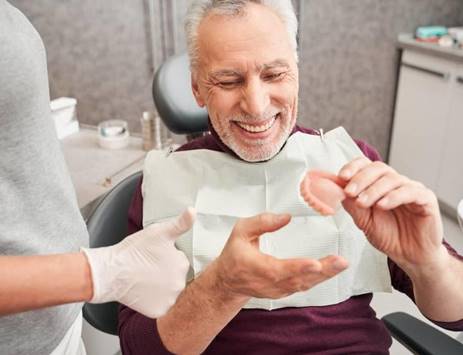
Can You Eat Normally with Dentures?

For individuals who wear dentures, one of the most frequently asked questions is: “Can I eat normally with dentures?” The answer is yes—but it takes some time, patience, and the right techniques. Whether you’re new to dentures or have worn them for years, eating with them can be a challenge without proper guidance.

This blog post—crafted by dental professionals—explores how to regain your chewing confidence with practical tips and expert advice. If you’re considering or already using dentures in San Antonio, read on to improve your experience and enjoy food once again.

Understanding the Basics of Eating with Dentures

Dentures are prosthetic devices designed to replace missing teeth and surrounding tissues. Modern dentures are crafted to look natural and function efficiently, but they do require a period of adaptation.

Common Challenges When Eating with Dentures

  • Difficulty chewing certain foods
  • Soreness or discomfort during early use
  • Changes in taste sensation
  • Fear of dentures slipping while chewing

These challenges are completely normal in the beginning but can be managed effectively with proper care and practice.

Tips for Eating Comfortably with Dentures

1. Start with Soft Foods

As you begin wearing new dentures, give your mouth time to adjust.

Recommended soft foods:

  • Mashed potatoes
  • Yogurt and pudding
  • Scrambled eggs
  • Cooked vegetables
  • Smoothies and soups

Avoid hard, sticky, or crunchy foods until you feel confident with basic chewing.

2. Chew Evenly on Both Sides

Chewing food on both sides of the mouth at the same time helps stabilize the dentures and reduces pressure on any one area.

Expert tip: Cut food into smaller pieces and take your time chewing to maintain control.

3. Use Denture Adhesives Wisely

Over-the-counter denture adhesives can enhance suction and reduce movement, especially during meals.

Benefits of using adhesives:

  • Minimizes slipping
  • Reduces gum irritation
  • Boosts confidence while eating

Consult your dentist before regular use to ensure compatibility with your specific dentures.

4. Stay Hydrated

Dry mouth can interfere with denture stability and comfort. Drinking plenty of water not only improves oral health but also helps keep your dentures secure while eating.

5. Be Cautious with Temperature and Texture

Dentures can sometimes reduce your ability to sense temperature and texture accurately, which may lead to accidental burns or chewing injuries.

Foods to approach carefully:

  • Hot beverages and soups
  • Crunchy bread or raw vegetables
  • Sticky sweets or chewing gum

Foods to Avoid (At Least Initially)

While most people return to a normal diet over time, it’s wise to avoid certain foods early in the adjustment process.

Avoid these when you’re new to dentures:

  • Nuts and seeds (can dislodge dentures)
  • Hard candies and ice
  • Popcorn (kernels can cause pain or damage)
  • Corn on the cob
  • Tough meats (opt for ground or shredded versions instead)

Long-Term Eating Tips for Denture Wearers

Once you’re comfortable wearing dentures in San Antonio, eating becomes easier and more natural. Here are some advanced tips to help you maintain comfort and functionality:

Maintain Regular Dental Visits

Even if you wear full dentures, regular check-ups are essential to ensure proper fit and prevent oral infections or bone loss.

Get Your Dentures Adjusted as Needed

If you notice discomfort while chewing, sore spots, or shifting of your dentures, see your dentist promptly. Ill-fitting dentures can impact your ability to eat normally.

Explore Implant-Supported Dentures

If you struggle with stability or have dietary restrictions due to loose dentures, consider implant-supported dentures. These provide better support and allow for a wider food variety.

Dentures in San Antonio: Local Support and Solutions

San Antonio is home to several highly qualified dental professionals who specialize in designing, fitting, and adjusting dentures. If you’re struggling to eat or need a denture adjustment, consult a local clinic for personalized guidance.

Benefits of choosing a local provider:

  • Easy access to follow-up care
  • Faster denture adjustments and repairs
  • Ongoing support for oral health and hygiene

Searching for dentures in San Antonio? Look for dental offices with on-site labs, flexible financing, and positive patient reviews.

Conclusion: Yes, You Can Eat Normally with Dentures! Adapting to dentures takes time, but with patience and the right strategies, most individuals return to eating the foods they love. By starting slowly, practicing good habits, and seeking expert care, you can enjoy meals with confidence and comfort.

What Are the Symptoms of Periodontal Disease?

Periodontal disease, commonly known as gum disease, is a serious infection of the gums that can damage the soft tissue and destroy the bone that supports your teeth. While it may start subtly, the effects of periodontal disease can be long-lasting, painful, and even lead to tooth loss if not treated early. Knowing the symptoms of periodontal disease is crucial for protecting your oral health and overall well-being.

In this blog, we’ll explore the most common signs and symptoms of periodontal disease, its causes, and why early detection is essential for effective treatment.

What is Periodontal Disease?

Periodontal disease is a progressive gum infection that affects the tissues surrounding and supporting the teeth. It usually starts with gingivitis, a mild inflammation of the gums caused by plaque buildup. If left untreated, gingivitis can advance to periodontitis, a more severe condition that can lead to permanent damage to your teeth and gums.

According to the CDC, nearly 50% of adults over 30 in the U.S. suffer from some form of periodontal disease, making it one of the most common oral health issues.

Early Warning Signs: Symptoms of Gingivitis

The early stage of gum disease, gingivitis, is often painless, which means many people don’t realize they have it. However, there are several warning signs you should not ignore:

1. Red or Swollen Gums

Healthy gums should appear firm and pink. If your gums are red, swollen, or tender, it may be a sign of inflammation caused by plaque buildup.

2. Bleeding Gums

If your gums bleed when you brush or floss, it’s an early warning sign of gingivitis. Bleeding gums should never be ignored, even if there’s no pain.

3. Persistent Bad Breath (Halitosis)

Chronic bad breath that doesn’t go away after brushing could be a symptom of bacteria under the gum line, a hallmark of early periodontal disease.

4. Gum Sensitivity

Tingling, soreness, or unusual gum sensitivity during brushing or eating may signal early gum problems.

Advanced Symptoms: Signs of Periodontitis

If gingivitis is not treated promptly, it can progress to periodontitis. In this stage, the gums begin to pull away from the teeth, forming pockets that become infected. Over time, the body’s immune system fights the bacteria, breaking down bone and connective tissue.

5. Receding Gums

One of the most noticeable signs of periodontitis is gum recession, where the gums pull back from the teeth, making teeth appear longer.

6. Deep Pockets Between Teeth and Gums

Dentists measure the depth of the pockets around your teeth to assess the severity of periodontal disease. Deep pockets indicate significant gum and bone loss.

7. Loose or Shifting Teeth

As the disease progresses and bone is lost, teeth may begin to feel loose or shift out of position, affecting your bite and chewing function.

8. Pain While Chewing

Discomfort or pain while eating, especially when biting down, can be a sign of tooth instability caused by underlying bone damage.

9. Pus Between Gums and Teeth

Visible pus or signs of infection are a clear indicator that your gums are inflamed and fighting off a severe bacterial infection.

What Causes Periodontal Disease?

The primary cause of periodontal disease is poor oral hygiene that allows plaque—a sticky film of bacteria—to build up on the teeth and harden into tartar. However, several risk factors can contribute to or worsen gum disease:

  • Smoking or tobacco use
  • Hormonal changes (pregnancy, menopause)
  • Chronic illnesses such as diabetes or heart disease
  • Medications that cause dry mouth or gum changes
  • Genetics
  • Poor nutrition or vitamin deficiencies

Why Early Detection Is Crucial

Catching periodontal disease in its early stages can save your teeth and gums. Regular dental checkups and cleanings are key to preventing the disease from advancing. Once bone loss occurs, it becomes much more difficult and expensive to treat.

Early treatment options may include:

  • Professional cleanings
  • Scaling and root planing (deep cleaning)
  • Antibacterial rinses
  • Improved at-home oral care routine

In severe cases, surgical treatments such as flap surgery or bone grafting may be required.

How to Prevent Periodontal Disease

Good oral hygiene is your first line of defense. Here’s how you can reduce your risk:

  • Brush twice a day with fluoride toothpaste
  • Floss daily to remove plaque between teeth
  • Visit your dentist every 6 months
  • Avoid tobacco products
  • Eat a balanced, nutritious diet
  • Use an antimicrobial mouthwash

If you notice any of the symptoms mentioned above, don’t wait. Early action can help reverse gingivitis and prevent periodontitis from developing.

Final Thoughts

Periodontal disease is more common than many people realize—and it’s also more preventable. The key is understanding the symptoms and seeking professional dental care at the first sign of trouble. Bleeding gums, bad breath, and gum recession are not normal and should never be ignored.

If you’re experiencing any symptoms of gum disease or haven’t had a dental checkup in a while, now is the time to act. Your oral health plays a vital role in your overall health, and maintaining healthy gums is essential to keeping your smile strong for life.

What is the Ideal Age for Starting an Orthodontic Treatment?

Orthodontic treatment has evolved far beyond just metal braces for teens. Today, early intervention, advanced technology, and customized plans make it possible for people of nearly all ages to benefit from a healthier, straighter smile. But when is the ideal age to start orthodontic treatment?

Whether you’re a parent exploring options for your child or an adult considering treatment later in life, this guide breaks down everything you need to know—including expert recommendations, benefits by age, comparisons, and common myths.

Understanding Orthodontic Treatment

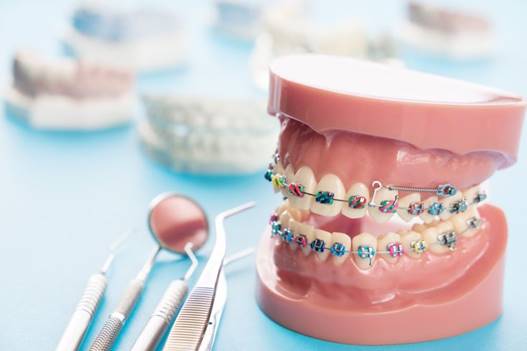
Orthodontic treatment refers to the use of devices (like braces or aligners) to correct dental and jaw alignment issues such as:

  • Crowded or crooked teeth
  • Overbites, underbites, or crossbites
  • Gaps between teeth
  • Jaw misalignment or bite issues

Orthodontic care isn’t only about aesthetics—it also improves oral function, dental health, and even breathing and speech.

What Is the Ideal Age for Starting Orthodontic Treatment?

The Short Answer: Ages 7–14

According to the American Association of Orthodontists (AAO), the ideal age for a first orthodontic evaluation is 7. However, actual treatment may begin anytime between ages 9–14, depending on the child’s developmental needs.

Why Age 7 Is the Sweet Spot for Evaluation

  • Mixed dentition stage: At this age, children typically have both baby and permanent teeth, making it easier to spot potential issues.
  • Jaw development is underway: Orthodontists can assess bite alignment and growth patterns.
  • Early intervention can prevent more complex treatments later (like jaw surgery or tooth extractions).

Orthodontic Treatment: Age-Based Comparison

Age GroupCommon IssuesTreatment OptionsBenefits
7–10 (Early/Mixed Dentition)Crossbite, crowding, thumb sucking effectsExpanders, partial braces, habit appliancesGuides jaw growth, reduces future treatment time
11–14 (Teen Years)Misaligned teeth, bite issuesTraditional braces, clear alignersPeak bone growth period, high success rate
15–30 (Young Adults)Aesthetic concerns, relapse from skipped retainersInvisalign, ceramic bracesDiscreet, faster options available
30+ (Adults)Bite correction, tooth wear, spacingClear aligners, lingual braces, surgical orthodonticsImproved oral function, confidence boost

Signs Your Child May Need Orthodontic Care Early

Even if your child’s teeth look straight, there could be underlying issues. Schedule an orthodontic consultation if you notice:

  • Early or late loss of baby teeth
  • Difficulty chewing or biting
  • Jaw shifting, clicking, or popping
  • Frequent mouth breathing or snoring
  • Prolonged thumb sucking or pacifier use

Early Orthodontic Treatment vs. Later Treatment

Early Treatment (Interceptive Orthodontics):

  • Goal: Guide jaw growth, correct harmful habits, improve airway function
  • Typical age: 7–10
  • Pros: May reduce need for future extractions or invasive treatments

Later Treatment (Comprehensive Orthodontics):

  • Goal: Align teeth and bite after most permanent teeth have erupted
  • Typical age: 11–18
  • Pros: Ideal timing for braces or aligners due to growth phase

Key Comparison:

FactorEarly TreatmentLater Treatment
DurationOften shorter if started earlyMay be longer if complex issues
CostPotentially lower long-termMay increase with complexity
AestheticsMay reduce need for braces in teen yearsMore visible during high school or adult life

 Is There Such Thing as Too Late for Orthodontic Treatment?

Not at all! Adults now make up over 30% of orthodontic patients, thanks to clear aligners and aesthetic treatment options.

Real User Intent: Many adults ask, “Am I too old for braces?” The answer is no—age isn’t a barrier to achieving a functional and beautiful smile.

Adult orthodontic treatment can address:

  • Long-standing bite problems
  • Spacing from missing teeth
  • TMJ pain
  • Aesthetic concerns for personal or professional confidence

Expert Tips Before Starting Orthodontic Treatment

  • Choose a board-certified orthodontist for specialized care.
  • Ask about treatment timing and phases—especially for kids.
  • Use dental insurance or payment plans to manage costs.
  • Ensure compliance with retainers after treatment to prevent relapse.

Benefits of Early Orthodontic Treatment

  • Healthier bite and jaw development
  • Easier oral hygiene with aligned teeth
  • Reduced risk of tooth trauma
  • Improved speech development
  • Increased self-confidence in social situations

Share Your Smile Journey!

Have you or your child started orthodontic treatment early—or waited until later in life?
Share your experience in the comments! Your story could help others make informed decisions.

Final Thoughts:

The ideal age to start orthodontic treatment varies by individual, but early evaluation around age 7 is the best way to plan ahead. Whether you’re 7 or 57, it’s never too early—or too late—to take the first step toward a better smile.

FAQs:

Q:1 Can baby teeth be moved with orthodontics?
A: Yes, some appliances work with baby teeth to prepare space for incoming permanent teeth.

Q:2 Does early treatment guarantee no braces later?
A: Not always—but it can make later treatment faster, simpler, and more effective.

Q:3 Are clear aligners available for teens and adults?
A: Yes, options like Invisalign Teen and adult Invisalign offer discreet alternatives to braces.

Are Dental Sealants Permanent?

Dental health is a priority for individuals and families alike, especially when it comes to preventing cavities in children and teens. One common preventive treatment is dental sealants, but many patients wonder: “Are dental sealants permanent?” In this blog post, we’ll provide a detailed answer to that question, along with expert insights, comparisons, benefits, and practical tips for lasting oral health.

What Are Dental Sealants?

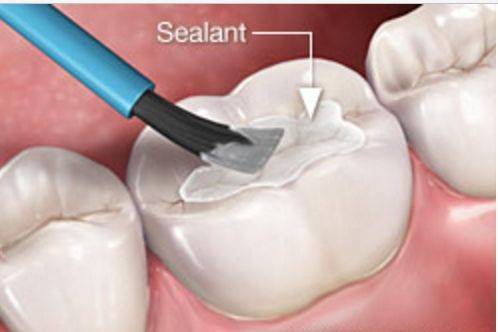
Dental sealants are thin, plastic-like coatings applied to the chewing surfaces of the back teeth (molars and premolars). These surfaces often have deep grooves that trap food and bacteria, making them prone to cavities.

The sealant acts as a protective barrier, preventing decay-causing elements from settling into these hard-to-clean areas.

Are Dental Sealants Permanent?

No, dental sealants are not permanent.
While highly durable, sealants typically last 5 to 10 years with proper oral hygiene and regular dental checkups. Over time, they may wear down due to:

  • Natural chewing forces
  • Teeth grinding or clenching
  • Eating hard or sticky foods
  • Poor oral hygiene

Dentists often inspect sealants during routine exams and reapply them as needed to maintain full protection.

Sealants vs. Fillings: What’s the Difference?

Understanding the difference between preventive sealants and restorative fillings helps clarify the role of sealants.

FeatureDental SealantsDental Fillings
PurposePrevent cavitiesRepair decayed or damaged teeth
Application TimingBefore decay occursAfter decay has developed
MaterialPlastic resinComposite, amalgam, or ceramic
Longevity5–10 years10+ years (depends on material)
InvasivenessNon-invasiveInvolves drilling/removal of tooth
CostGenerally lowerGenerally higher

Conclusion: Sealants help avoid the need for fillings later. They are a proactive step in dental care, especially for children and teens.

Who Should Get Dental Sealants?

Dental sealants are most commonly recommended for:

  • Children and teens (ages 6–14)
  • Individuals with deep grooves or pits in molars
  • Adults at high risk of cavities
  • Patients with early signs of enamel breakdown

Sealants are especially valuable for newly erupted permanent molars, where early cavity prevention makes a long-term impact.

How Are Dental Sealants Applied?

The process is simple, painless, and takes just a few minutes per tooth:

  1. Teeth are cleaned and dried.
  2. A mild etching solution is applied to roughen the surface.
  3. The sealant material is painted onto the tooth.
  4. A special curing light hardens the sealant.

There’s no drilling, anesthesia, or discomfort involved, making this ideal for kids and those with dental anxiety.

How to Make Dental Sealants Last Longer

While not permanent, sealants can last many years with good care. Here are expert tips to prolong their effectiveness:

✔️ Practice Good Oral Hygiene

Brush twice daily with fluoride toothpaste and floss daily.

✔️ Avoid Hard or Sticky Foods

Chewing on hard candies, ice, or sticky snacks can weaken or dislodge the sealant.

✔️ Attend Regular Dental Checkups

Your dentist will check for wear or damage and can reapply sealants if needed.

✔️ Use a Night Guard (If Needed)

If you grind your teeth, a night guard can reduce wear on sealants.

Pros and Cons of Dental Sealants

Let’s evaluate both sides:

✅ Pros

  • Non-invasive and painless
  • Cost-effective cavity prevention
  • Ideal for kids and cavity-prone adults
  • Easily maintained and replaced

❌ Cons

  • Not a permanent solution
  • May need reapplication over time
  • Can occasionally chip or wear off unnoticed
  • Not effective once decay is present

Frequently Asked Questions

Do sealants completely prevent cavities?

Not completely, but they greatly reduce the risk—especially on molar surfaces. Combined with brushing, flossing, and fluoride, they form a strong defense.

Can adults get sealants?

Yes. Adults with healthy, cavity-free molars can benefit, particularly if their teeth have deep grooves or they’re at high risk of decay.

What happens if a sealant wears off?

The tooth becomes vulnerable again to decay. That’s why routine dental visits are key to monitoring and replacing worn sealants.

Final Thoughts

While dental sealants aren’t permanent, they provide years of valuable protection, especially during the cavity-prone early years. With proper maintenance and regular dental visits, sealants are an affordable and effective step in preventive dental care.

When Should Wisdom Teeth Be Removed? Insights from Dentists

Wisdom teeth are the third set of molars, usually appearing between ages 17 and 25. While some people have room for these teeth to grow in without problems, many don’t—leading to impaction, crowding, or infection.

According to the American Association of Oral and Maxillofacial Surgeons, 90% of people have at least one impacted wisdom tooth. Impacted wisdom teeth are teeth that don’t fully emerge due to lack of space or improper angle, which can cause pain, cysts, infections, or damage to nearby teeth.

When Is the Right Time for Removal?

Dentists generally recommend evaluating wisdom teeth during the late teens or early twenties. At this age, the roots are still developing, making the extraction simpler and healing faster.

Here are common signs it might be time to consider removal:

  • Pain or swelling in the back of your mouth
  • Gum inflammation around a partially erupted tooth
  • Jaw stiffness or difficulty opening your mouth
  • Crowding or shifting of other teeth
  • Frequent infections in the soft tissue behind the last molar

A 2014 study published in the Journal of Oral and Maxillofacial Surgery found that leaving asymptomatic wisdom teeth untreated often leads to future complications, including gum disease and cavities in adjacent teeth.

Wisdom Teeth Removal: The Patient’s Experience

Tooth extraction may sound intimidating, but modern techniques and sedation options have made wisdom teeth removal more comfortable than ever. Most procedures take under an hour, and recovery typically lasts 3–7 days, depending on the complexity of the extraction.

Patients who act early—before pain or crowding begins—often enjoy a quicker, easier recovery. Delaying removal may result in more complex procedures and longer healing times.

How We Help Patients Like You

If you’re dealing with pain, jaw discomfort, or swelling—or even if your dentist has suggested a preventive extraction—know that help is available. Skilled professionals in Texas offer patient-first solutions designed to make your wisdom tooth extraction smooth and stress-free. From digital X-rays to same-day procedures and post-operative care, providers are here to support your dental health at every stage.

Is Wisdom Tooth Removal Worth the Cost?

The cost of wisdom tooth removal can vary depending on the number of teeth removed, whether they are impacted, and the type of sedation used. However, the average cost ranges from $300 to $800 per tooth, according to data from the American Dental Association.

Many insurance plans cover part of the procedure, especially if removal is medically necessary. Investing in early extraction can save you from future dental bills tied to infections, damage, or orthodontic relapse.

Final Thoughts

Wisdom teeth removal isn’t just about solving immediate discomfort—it’s about protecting your long-term oral health. Whether you’re experiencing symptoms or simply want peace of mind, early evaluation can help you make informed decisions about your care.

If your wisdom teeth are beginning to cause issues—or if you’re unsure whether removal is necessary—why not schedule a dental consultation and see what’s best for your smile?

Are Veneers a Permanent Solution for Your Smile?

If you’re looking to transform your smile, veneers often come up as one of the most popular cosmetic dental options. But a common question many people ask is:

Are veneers permanent?

Let’s break down what veneers are, how long they last, and whether they truly offer a permanent solution for your smile—or if there’s more you need to know before committing.

What Are Veneers, Exactly?

Veneers are thin shells of porcelain or composite resin that are custom-made to fit over the front surface of your teeth. They’re commonly used to:

  • Fix chipped or broken teeth
  • Improve the appearance of discolored or stained teeth
  • Close gaps or correct minor alignment issues
  • Create a more uniform, brighter smile

There are two main types:

  • Porcelain veneers – known for durability and stain resistance
  • Composite veneers – more affordable but slightly less long-lasting

Are Veneers Permanent?

Veneers are not technically permanent—but they are irreversible.

Here’s what that means:

  • To place veneers, your dentist must remove a thin layer of enamel from your natural tooth surface. This process is irreversible, meaning once you get veneers, you’ll always need some form of dental restoration going forward.
  • Porcelain veneers typically last 10 to 15 years, while composite veneers may last 5 to 7 years before needing replacement.

So while veneers themselves may not last forever, the commitment to having veneers is permanent due to the enamel removal involved.

How Long Do Veneers Last?

With proper care, veneers can last a decade or longer—sometimes up to 20 years for high-quality porcelain ones. Here’s what affects their lifespan:

Factors That Influence Veneer Longevity:

  • Material type (porcelain lasts longer than composite)
  • Oral hygiene habits
  • Grinding or clenching (bruxism)
  • Avoiding hard or sticky foods
  • Regular dental check-ups

Pro tip: If you grind your teeth at night, consider wearing a nightguard to extend the life of your veneers.

 What Happens When Veneers Need Replacing?

When veneers reach the end of their lifespan, they may:

  • Crack or chip
  • Stain or discolor (especially composite veneers)
  • Loosen or detach

At this point, they’ll need to be professionally replaced. Your dentist will remove the old veneer and replace it with a new one that fits and matches your current smile.

Are Veneers the Right Long-Term Solution for You?

Here’s a quick breakdown of pros and cons to help you decide:

Pros of Veneers:

  • Instantly improve your smile
  • Natural-looking and custom-fitted
  • Stain-resistant (especially porcelain)
  • Durable with proper care

Cons of Veneers:

  • Irreversible procedure (enamel removal)
  • Not suitable for severely damaged or decayed teeth
  • May need replacement every 10–15 years
  • Cost can range from $900–$2,500 per tooth (porcelain)

Final Verdict: Are Veneers a “Permanent” Smile Solution?

Veneers are a long-term, irreversible cosmetic treatment—not a lifelong fix, but close. While they don’t last forever, their ability to dramatically and instantly improve your smile makes them a trusted, high-impact solution.

If you’re ready to commit to maintaining your smile for the long haul, veneers can absolutely be a transformative, long-lasting investment in your confidence and appearance.

Ready to Explore Veneers?

Book a consultation with a cosmetic dentist to find out if you’re a good candidate and get a personalized treatment plan tailored to your smile goals.

Frequently Asked Questions

Can veneers be removed?

Technically yes, but once enamel is shaved off, it cannot regenerate. So if you remove veneers, you’ll still need another restoration.

Are veneers better than crowns?

Veneers are ideal for cosmetic improvements on healthy teeth. Crowns are better for teeth that are structurally damaged or have undergone root canals.

Do veneers require special care?

Nope! Just brush, floss, and visit your dentist regularly—though avoiding hard foods and teeth grinding is extra helpful.

How Can Cosmetic Dentistry Improve Your Smile?

A beautiful smile can boost confidence, improve first impressions, and enhance overall well-being. Cosmetic dentistry focuses on improving the appearance of teeth, addressing concerns like discoloration, misalignment, and chipped or missing teeth. Whether you seek a minor enhancement or a full smile makeover, a cosmetic dentist can provide tailored solutions.

1. Teeth Whitening for a Brighter Smile

Over time, teeth can become stained due to coffee, tea, smoking, or aging. Professional teeth whitening treatments effectively remove stubborn stains, making your smile several shades brighter. Options include:

  • In-office whitening: Delivers instant and dramatic results.
  • Take-home whitening kits: Provides gradual whitening with custom trays.

2. Dental Veneers for a Flawless Look

Veneers are thin, custom-made porcelain shells placed over the front surface of teeth to correct imperfections such as stains, gaps, and minor misalignment. Benefits include:

  • Natural, long-lasting appearance
  • Stain-resistant material
  • Instant transformation with minimal tooth alteration

3. Dental Bonding for Quick Fixes

For small chips, cracks, or gaps, dental bonding is an affordable and effective solution. A tooth-colored resin is applied, shaped, and hardened to enhance the tooth’s look. Advantages:

  • Affordable compared to veneers
  • Quick procedure with immediate results
  • Minimally invasive with little to no enamel removal

4. Orthodontics for a Straighter Smile

Crooked or misaligned teeth can impact both aesthetics and oral health. Braces or clear aligners like Invisalign help straighten teeth for a balanced, attractive smile. Benefits include:

  • Improved bite and alignment
  • Reduced risk of tooth decay and gum disease
  • Enhanced facial symmetry and overall smile aesthetics

5. Dental Crowns for Strength and Beauty

Dental crowns restore and protect damaged or severely discolored teeth while offering a natural look. They are commonly used for:

  • Restoring broken or weakened teeth
  • Covering dental implants or large fillings
  • Improving the size, shape, and color of teeth

6. Gum Contouring for a Proportional Smile

Excess gum tissue can make teeth appear small or uneven. Gum contouring reshapes the gum line to create a proportionate, symmetrical smile. This procedure:

  • Eliminates a “gummy smile”
  • Enhances the balance between teeth and gums
  • Provides permanent, aesthetically pleasing results

The Role of a Cosmetic Dentist

A skilled cosmetic dentist evaluates your smile and recommends personalized treatments to enhance aesthetics and function. Whether it’s teeth whitening, veneers, or orthodontics, these experts ensure each procedure is safe, effective, and suited to your needs.

Conclusion

Cosmetic dentistry offers a wide range of treatments to enhance your smile, boost confidence, and improve oral health. Whether you need minor adjustments or a complete transformation, a cosmetic dentist can help you achieve a radiant, healthy smile.

Ready to enhance your smile? Schedule a consultation with a cosmetic dentist today!

When Is Dental Deep Cleaning Necessary?

Maintaining optimal oral health is crucial for overall well-being, and regular dental cleanings are a fundamental part of this process. However, in some cases, a standard dental cleaning may not be enough to maintain healthy gums and teeth. This is where a dental deep cleaning, also known as scaling and root planing, becomes necessary. But when exactly should you consider deep cleaning, and why is it essential? This blog will help you understand when dental deep cleaning is required and what to expect from the procedure.

What Is Dental Deep Cleaning?

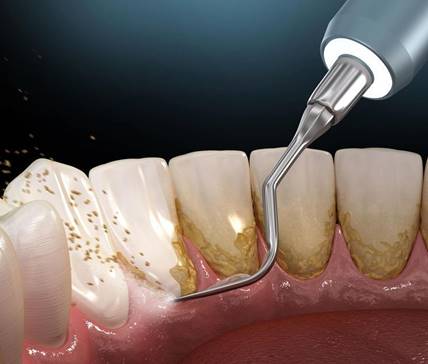
A dental deep cleaning is a specialized procedure aimed at removing plaque, tartar (calculus), and bacteria from beneath the gum line and around the roots of your teeth. Unlike a regular cleaning that focuses on the surface of the teeth and above the gum line, deep cleaning targets below the gum line to prevent or treat gum disease.

The procedure consists of two parts:

  1. Scaling: Removing plaque and tartar from the teeth and beneath the gums.
  2. Root Planing: Smoothing the roots of the teeth to help the gums reattach and prevent future plaque buildup.

When Is Dental Deep Cleaning Necessary?

A deep cleaning is not always part of routine dental care but is highly recommended under certain oral health conditions. Here are the primary situations when deep dental cleaning becomes necessary:

1. Presence of Gum Disease (Gingivitis or Periodontitis)

The most common reason for a dental deep cleaning is when a patient shows signs of gum disease. Gum disease typically progresses in two stages:

  • Gingivitis: This is the early stage of gum disease, characterized by red, swollen, or bleeding gums. If caught early, it can be reversed with regular cleaning and improved oral hygiene.
  • Periodontitis: When gingivitis progresses, it leads to periodontitis, where the infection spreads beneath the gum line and affects the bone. This is when a deep cleaning becomes crucial.

Signs of gum disease that require deep cleaning include:

  • Bleeding gums during brushing or flossing.
  • Swollen or tender gums.
  • Persistent bad breath.
  • Receding gums exposing tooth roots.
  • Loose or shifting teeth.

2. Excessive Plaque and Tartar Buildup

Plaque is a sticky film of bacteria that forms on teeth and gums. If not removed regularly through brushing, flossing, and routine dental cleanings, it hardens into tartar. Tartar can no longer be removed by regular brushing and requires professional cleaning.

When tartar accumulates below the gum line, it irritates the gums, causing inflammation and increasing the risk of gum disease. Deep cleaning is necessary to remove this built-up tartar to protect both the teeth and gums.

3. Deep Periodontal Pockets

Healthy gums fit snugly around the teeth with a small space (1-3 mm) between the teeth and gums. However, when gum disease progresses, pockets form between the gums and teeth, allowing bacteria to accumulate.

If your dentist measures periodontal pockets greater than 4mm, it usually indicates the need for a deep cleaning. Larger pockets signify advanced gum disease and may lead to tooth loss if untreated.

4. Persistent Bad Breath or Unpleasant Taste

Persistent bad breath (halitosis) or an unpleasant taste in the mouth is another sign of a deeper dental issue. When bacteria accumulate beneath the gum line, they release toxins that cause foul odors.

A deep cleaning helps eliminate bacteria from these hard-to-reach areas, reducing or eliminating bad breath and improving oral health.

5. Bone Loss Due to Periodontal Disease

In advanced stages of periodontal disease, the infection can affect the underlying bone that supports your teeth. This condition can cause teeth to become loose or shift from their position.

Deep cleaning, combined with other periodontal treatments, can help slow down or stop bone loss. If left untreated, it may lead to permanent tooth loss.

6. Gum Recession

Gum recession is when the gums pull away from the teeth, exposing the roots. This condition can be caused by gum disease, aggressive brushing, or genetic factors. Once the roots are exposed, it makes the teeth more vulnerable to decay and sensitivity.

A deep cleaning helps remove harmful bacteria that contribute to gum recession and encourages the gums to heal and reattach to the tooth surface.

7. After Tooth Extraction or Oral Surgery

In some cases, if you have recently undergone tooth extraction, dental implant placement, or other oral surgeries, your dentist may recommend a deep cleaning to ensure proper healing and to prevent infection from spreading.

Conclusion

Dental deep cleaning is a critical procedure when gum disease, plaque buildup, or deep pockets threaten your oral health. Recognizing the early signs of gum disease and seeking prompt dental care can prevent severe complications such as tooth loss or bone damage. If you’re experiencing symptoms like bleeding gums, persistent bad breath, or gum recession, consult your dentist immediately to determine if a deep dental cleaning is necessary. Maintaining regular dental visits and practicing good oral hygiene can help keep your smile healthy and beautiful.