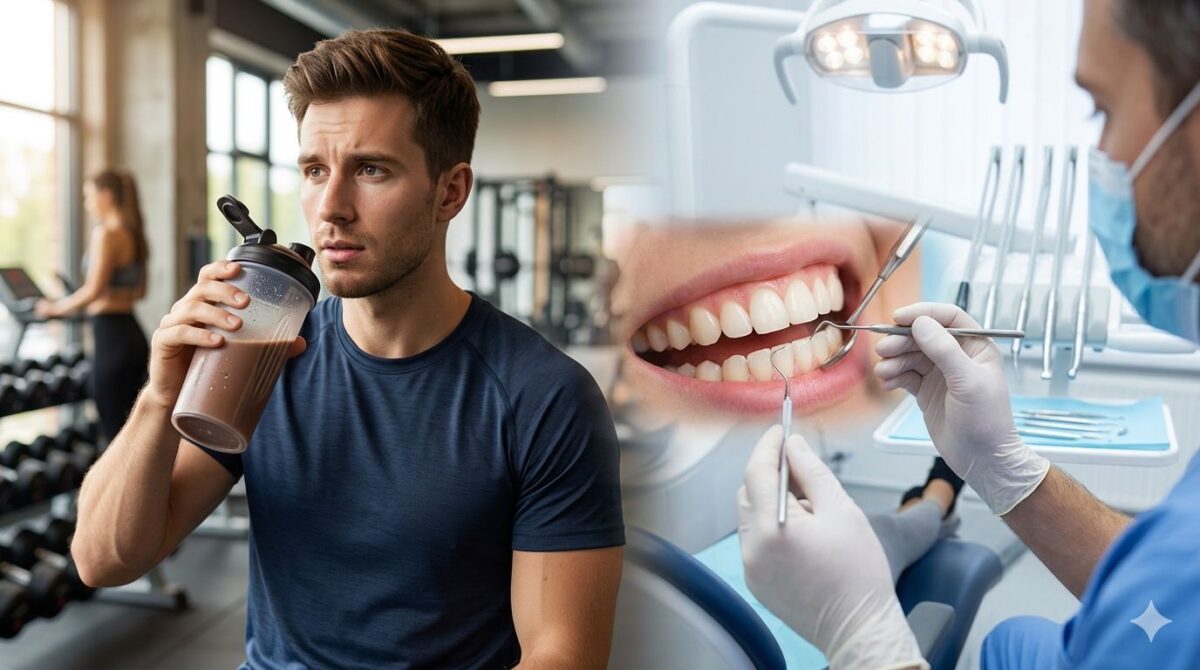
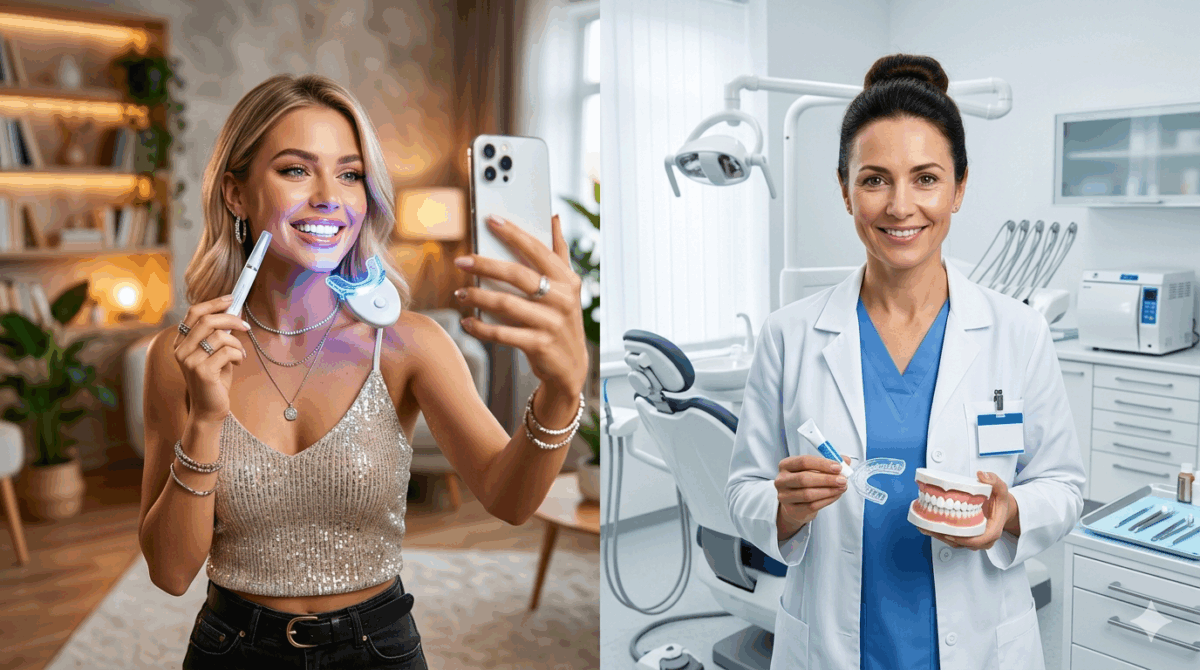
Influencer Whitening Products: Dentist-Approved or Risky?

Scroll through social media, and you’ll quickly see influencers promoting “miracle” teeth whitening products—pens, powders, LED kits, strips, and even charcoal-based solutions claiming instant results.

They often promise a brighter smile in days, all from the comfort of your home.

But the big question is: Are these products actually safe and effective – or could they be putting your teeth at risk?

Let’s break down what you need to know before trying influencer-recommended whitening products.

Why Whitening Products Are So Popular

A whiter smile is often associated with:

  • Confidence
  • Cleanliness
  • Youthfulness

Social media has amplified this demand, making teeth whitening one of the most promoted beauty trends online.

Influencers often highlight:

  • Quick results
  • Easy application
  • Affordable pricing

While these benefits can be appealing, they don’t always tell the full story.

Are Influencer Whitening Products Dentist-Approved?

The answer is: some are, but many are not.

Dentists typically approve whitening products that contain safe, tested ingredients like hydrogen peroxide or carbamide peroxide in controlled concentrations.

However, many influencer-promoted products:

  • Lack proper clinical testing
  • Use unregulated ingredients
  • Make exaggerated claims
  • Are not tailored to individual dental needs

Just because a product is popular online doesn’t mean it’s safe for your teeth.

Common Types of Influencer Whitening Products

Whitening Strips and Pens

These are among the most common products promoted online.

They can be effective if they contain approved whitening agents—but results and safety depend heavily on the formulation.

Risks include:

  • Uneven whitening
  • Gum irritation
  • Tooth sensitivity

LED Whitening Kits

These kits combine whitening gels with LED lights, often marketed as “professional-level” treatments at home.

While the light may enhance the process slightly, many kits rely more on marketing than science.

Effectiveness depends primarily on the whitening gel—not the light.

Charcoal-Based Products

Charcoal powders and toothpastes have become especially trendy.

They claim to “detox” and whiten teeth naturally, but dentists often caution against them.

Potential risks include:

  • Enamel erosion due to abrasiveness
  • Increased tooth sensitivity
  • No proven long-term whitening benefits

Whitening Mouthwashes and Gels

These products are typically milder and may help maintain brightness, but they often don’t produce dramatic results on their own.

The Hidden Risks You Should Know

While some over-the-counter whitening products are safe when used correctly, influencer-promoted options can come with risks—especially when used without guidance.

Enamel Damage

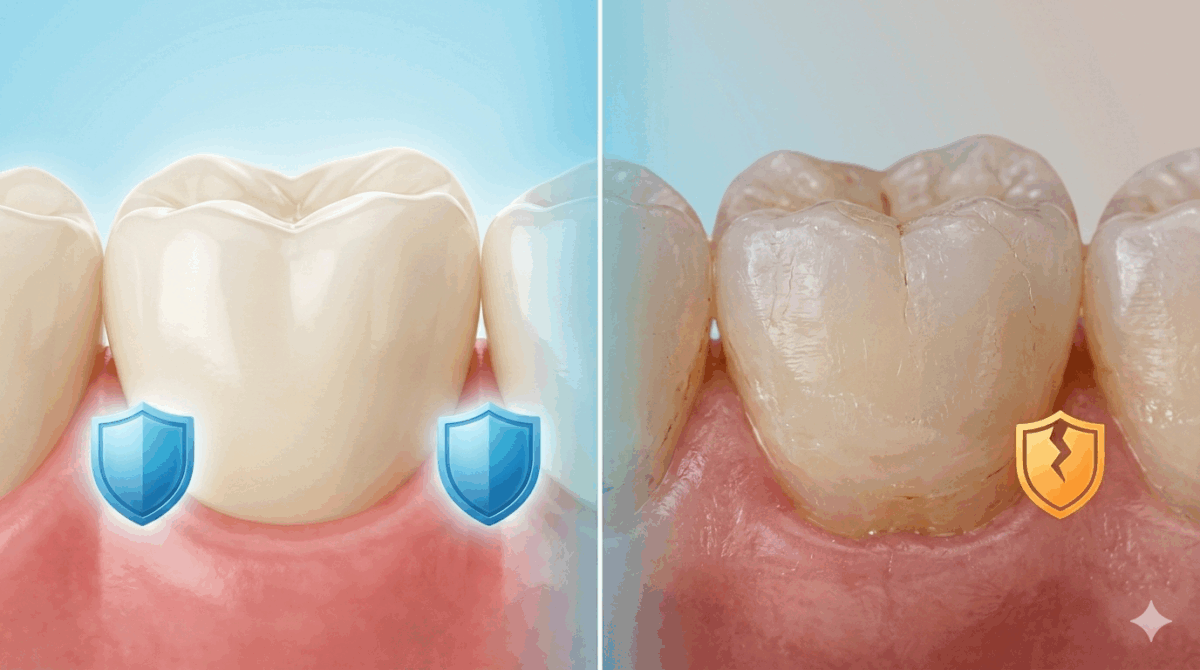
Your enamel is the protective outer layer of your teeth. Once it’s damaged, it cannot regenerate.

Overuse or abrasive products can weaken enamel, leading to:

  • Sensitivity
  • Increased risk of cavities
  • Long-term damage

Gum Irritation

Improper application of whitening gels can irritate or burn the gums, especially if the product is too strong or used incorrectly.

Tooth Sensitivity

Many whitening products can cause temporary sensitivity, but excessive or improper use can make it worse.

Uneven Results

DIY whitening products may not account for:

  • Existing dental work (crowns, fillings)
  • Uneven staining
  • Tooth structure

This can lead to patchy or inconsistent results.

Why Professional Guidance Matters

One of the biggest differences between influencer products and dentist-recommended treatments is personalization.

A dentist evaluates:

  • The cause of discoloration
  • Tooth sensitivity levels
  • Existing dental work
  • Overall oral health

This ensures that whitening is both safe and effective for your specific situation.

Without that evaluation, you may be treating the wrong problem—or making it worse.

Safer Alternatives to Consider

If you’re interested in whitening your teeth, there are safer ways to achieve results.

Dentist-Supervised Whitening

Professional treatments offer:

  • Stronger, controlled whitening agents
  • Faster and more noticeable results
  • Reduced risk of damage

Custom Take-Home Kits

Many dentists provide custom trays with professional-grade gel, allowing you to whiten your teeth safely at home.

Approved Over-the-Counter Products

Look for products with recognized safety approvals and proven ingredients. When in doubt, ask your dentist for recommendations.

How to Protect Your Teeth While Whitening

If you choose to use any whitening product, keep these tips in mind:

  • Follow instructions carefully
  • Avoid overuse
  • Stop if you experience pain or irritation
  • Maintain good oral hygiene
  • Consult a dentist if unsure

Whitening should enhance your smile—not compromise your dental health.

Influencer whitening products can be tempting, especially with promises of fast, affordable results. But not all products are created equal.

Some may be safe when used correctly—but others can lead to enamel damage, sensitivity, and uneven results.

The safest approach is to treat whitening as part of your overall dental care—not just a cosmetic trend.

Before trying any new product, it’s always a good idea to seek professional advice. A brighter smile is great—but a healthy smile is what truly matters.


Are Whitening Strips Damaging Your Enamel?

A bright, white smile has become one of the most desired aspects of modern dental aesthetics. With the growing popularity of at-home whitening solutions, whitening strips are often the first option people turn to. They are affordable, convenient, and widely available.

But a common question many patients ask is: Are whitening strips damaging your enamel?

The short answer is not necessarily — when used correctly. However, misuse, overuse, or certain dental conditions can increase the risk of enamel damage and sensitivity. Understanding how whitening strips work and when they are safe to use can help protect your smile while achieving the results you want.

What Are Whitening Strips and How Do They Work?

Whitening strips are thin, flexible plastic strips coated with a whitening gel that usually contains hydrogen peroxide or carbamide peroxide. These ingredients are commonly used in both over-the-counter and professional whitening treatments.

When applied to the teeth, the whitening agent penetrates the outer surface of the tooth and breaks down stain molecules. This chemical reaction helps lighten discoloration caused by:

  • Coffee and tea
  • Red wine
  • Smoking or tobacco use
  • Aging
  • Certain foods and beverages

Most whitening strip kits recommend daily use for 10 to 30 minutes over a period of 7–14 days to see noticeable results.

Does Whitening Damage Tooth Enamel?

Tooth enamel is the hardest substance in the human body, designed to protect the inner layers of the teeth. When whitening strips are used as directed, research shows they generally do not permanently damage enamel.

However, there are some important considerations.

Temporary Changes to Enamel

Whitening agents can temporarily make enamel more porous during the treatment process. This is part of how stains are removed. After treatment, saliva and minerals in the mouth usually help restore the enamel’s natural balance.

Sensitivity Is More Common Than Damage

The most common side effect from whitening strips is tooth sensitivity, not enamel erosion. Sensitivity may occur because the peroxide penetrates through enamel and irritates the inner nerve of the tooth.

This sensitivity usually disappears within a few days after stopping treatment.

When Whitening Strips Can Become a Problem

While whitening strips are generally safe, improper use can increase the risk of dental issues.

Overusing Whitening Products

Using whitening strips more frequently than recommended can expose enamel to excessive peroxide, potentially leading to:

  • Increased tooth sensitivity
  • Gum irritation
  • Enamel weakening over time

Following the manufacturer’s instructions is essential.

Using Them on Damaged Teeth

Whitening strips are not suitable for everyone. If you have certain dental conditions, they may cause problems.

Avoid whitening strips if you have:

  • Tooth decay
  • Cracked or chipped teeth
  • Worn enamel
  • Gum disease
  • Dental restorations like crowns or veneers in visible areas

In these cases, whitening products may cause uneven results or worsen discomfort.

Signs You Might Be Overusing Whitening Strips

If whitening strips are harming your teeth or gums, your mouth may give warning signs.

Common symptoms include:

  • Sharp or lingering tooth sensitivity
  • Gum irritation or whitening of the gums
  • Tooth pain when eating hot or cold foods
  • Uneven or chalky-looking enamel

If you notice these symptoms, it’s best to stop using the strips and consult your dentist before continuing treatment.

Professional Whitening vs. Whitening Strips

Many people choose whitening strips because they are convenient and inexpensive. However, professional teeth whitening treatments offered by dental clinics provide several advantages.

Stronger Yet Controlled Whitening

Dentists use professional-grade whitening agents that are stronger but applied in a controlled, safe environment.

Customized Treatment

A dental professional evaluates your teeth, enamel health, and existing dental work before recommending whitening treatment.

Reduced Sensitivity

Many professional treatments include desensitizing agents that help minimize discomfort.

Faster Results

Professional whitening can often deliver noticeable results in a single visit, compared to several weeks of at-home treatment.

Tips for Whitening Your Teeth Safely

If you choose to use whitening strips, following these best practices can help protect your enamel.

  1. Follow the instructions carefully
    Never leave strips on longer than recommended.
  2. Avoid excessive whitening cycles
    Give your teeth time to recover between treatments.
  3. Maintain good oral hygiene
    Brush twice daily and floss regularly to keep stains from returning quickly.
  4. Limit stain-causing foods
    Coffee, tea, red wine, and tobacco can quickly reverse whitening results.
  5. Talk to your dentist first
    A quick dental exam can determine whether whitening strips are safe for your teeth.

Whitening strips can be an effective way to brighten your smile, and when used correctly, they generally do not cause permanent enamel damage. However, overuse or using them on already compromised teeth can lead to sensitivity and potential enamel issues.

If you’re unsure whether whitening strips are right for you, consulting a dental professional is the safest option. A dentist can evaluate your enamel health and recommend the most effective and safe whitening solution for your smile.

A healthy smile should always come first – because the goal isn’t just whiter teeth, but stronger teeth too.

Prosthodontist Explained: The Tooth Replacement Specialists

If you’ve been told you need complex dental restoration, dental implants, or full-mouth reconstruction, you may have heard the term prosthodontist. But what exactly does a prosthodontist do, and how are they different from a general dentist?

Prosthodontists are dental specialists who focus on restoring and replacing missing or damaged teeth. They combine advanced training, precision, and aesthetics to rebuild smiles and improve oral function.

In this guide, we’ll explain what a prosthodontist is, what treatments they provide, and when you might need one.

What Is a Prosthodontist?

A prosthodontist is a dentist who has completed additional years of specialized training in prosthetic and restorative dentistry after dental school. Their expertise lies in designing, creating, and fitting artificial replacements for teeth and oral structures.

Prosthodontists specialize in:

  • Dental crowns
  • Bridges
  • Dentures
  • Dental implants
  • Full-mouth rehabilitation
  • Cosmetic smile restorations

They are often referred to as tooth replacement specialists because of their advanced skills in restoring both function and aesthetics.

How Is a Prosthodontist Different from a General Dentist?

While general dentists perform many restorative procedures, prosthodontists receive extensive additional training focused specifically on complex cases.

A prosthodontist is often consulted when:

  • Multiple teeth are missing
  • Severe tooth damage is present
  • Bite alignment needs correction
  • Full-mouth reconstruction is required
  • Cosmetic improvements demand precision

Their training emphasizes detailed planning, advanced materials, and long-term stability.

What Treatments Do Prosthodontists Provide?

Dental Crowns and Bridges

Prosthodontists design custom crowns to protect weakened teeth and bridges to replace missing teeth. They ensure precise fit, durability, and natural appearance.

Crowns and bridges restore:

  • Chewing function
  • Tooth strength
  • Smile symmetry
  • Proper bite alignment

Dental Implants

Dental implants are one of the most reliable solutions for replacing missing teeth. Prosthodontists often lead the restorative phase of implant treatment.

They carefully plan:

  • Implant positioning
  • Bite alignment
  • Crown design
  • Long-term durability

Their expertise ensures implants look natural and function like real teeth.

Dentures and Partial Dentures

For patients missing multiple teeth, prosthodontists create custom dentures that fit comfortably and look natural.

Modern dentures are designed to:

  • Improve stability
  • Restore facial support
  • Enhance speech
  • Allow comfortable chewing

Prosthodontists use advanced techniques to ensure proper fit and comfort.

Full-Mouth Reconstruction

In cases involving extensive tooth damage, wear, or trauma, prosthodontists perform full-mouth rehabilitation.

This may include:

  • Multiple crowns
  • Dental implants
  • Bite correction
  • Veneers
  • Gum and structural adjustments

Full-mouth reconstruction requires detailed planning and precise execution to restore both function and aesthetics.

Cosmetic Smile Design

Prosthodontists also focus on aesthetic dentistry, customizing veneers, crowns, and restorations to complement facial features and smile shape.

They analyze:

  • Facial proportions
  • Tooth size and shape
  • Gum contours
  • Smile line

The goal is to create a balanced, natural-looking smile.

When Should You See a Prosthodontist?

You may benefit from consulting a prosthodontist if you:

  • Have lost multiple teeth
  • Need dental implants
  • Require complex restorative work
  • Experience chronic bite issues
  • Want a comprehensive smile makeover

Patients with severe tooth wear, jaw problems, or previous failed restorations may also benefit from specialist care.

Why Specialized Training Matters

Tooth replacement is not just about filling gaps—it’s about restoring proper function, comfort, and facial balance.

Prosthodontists are trained to consider:

  • Bite forces
  • Jaw alignment
  • Long-term wear
  • Aesthetic harmony
  • Material selection

Their advanced knowledge helps reduce complications and improve long-term outcomes.

Are Prosthodontic Treatments Long-Lasting?

Yes, when performed correctly and maintained with proper oral hygiene, prosthodontic restorations can last many years.

Success depends on:

  • Good oral hygiene habits
  • Regular dental visits
  • Avoiding teeth grinding
  • Maintaining healthy gums

Prosthodontists focus on durable, high-quality materials designed for longevity.

A prosthodontist is more than just a dentist—they are specialists in restoring smiles and rebuilding oral function. Whether you need dental implants, crowns, dentures, or full-mouth reconstruction, a prosthodontist offers advanced expertise in tooth replacement and aesthetic restoration.

If you’re facing complex dental issues or want a long-term solution for missing teeth, consulting a prosthodontist can help you achieve lasting results.

Schedule a consultation with your dental clinic today to learn whether a prosthodontic evaluation is right for you and take the first step toward restoring your confident, healthy smile.

How Screen Time and Sugary Drinks Are Ruining Kids’ Smiles

In today’s digital-first world, children are spending more time on screens and consuming more sugary drinks than ever before. While technology and convenience have their benefits, these modern habits are silently harming kids’ dental health. From cavities to gum problems, screen time and sugary beverages are creating a perfect storm for dental issues in children.

Understanding how these habits affect oral health—and how to prevent damage—can help parents protect their child’s smile for years to come.

The Rise of Screen Time Among Kids

Screen time has become a daily routine for children—whether it’s online classes, video games, social media, or streaming content. However, extended screen use often leads to unhealthy behaviors that indirectly impact dental health.

1. Mindless Snacking While Using Screens

When kids watch TV or play games, they tend to snack without thinking. These snacks are often sugary or starchy foods that stick to teeth, increasing the risk of tooth decay.

2. Reduced Water Intake

Children glued to screens often forget to drink water, leading to dry mouth. Saliva plays a crucial role in washing away food particles and neutralizing acids, so reduced saliva increases cavity risk.

3. Skipping Oral Hygiene

Excessive screen time can disrupt daily routines, including brushing and flossing. Kids may skip brushing before bed or rush through it, allowing plaque to build up.

Sugary Drinks: The Biggest Enemy of Young Teeth

Sugary drinks are one of the leading causes of tooth decay in children. These include:

  • Sodas and fizzy drinks
  • Fruit juices and packaged drinks
  • Sports and energy drinks
  • Sweetened milk and flavored beverages

Even drinks marketed as “healthy” can contain high levels of sugar and acid.

How Sugary Drinks Damage Teeth

  1. Sugar Feeds Bacteria
    Bacteria in the mouth feed on sugar and produce acids that erode tooth enamel.
  2. Acid Erosion
    Many drinks are acidic, which weakens enamel even before bacteria act.
  3. Frequent Sipping
    Kids often sip drinks throughout the day, constantly exposing teeth to sugar and acid, which prevents enamel from recovering.

Common Dental Problems Caused by These Habits

1. Cavities (Dental Caries)

Cavities are the most common dental issue in children. Constant sugar exposure and poor oral hygiene create the ideal environment for decay.

2. Gum Inflammation (Gingivitis)

Plaque buildup can irritate gums, causing redness, swelling, and bleeding during brushing.

3. Enamel Erosion

Acidic drinks and prolonged exposure weaken enamel, leading to sensitivity and discoloration.

4. Bad Breath

Sugary drinks and food particles trapped between teeth can cause persistent bad breath.

Why Early Dental Health Matters

Baby teeth play a crucial role in a child’s development. They help with:

  • Proper chewing and digestion
  • Clear speech development
  • Guiding permanent teeth into position

Ignoring dental health in childhood can lead to orthodontic problems, infections, and costly dental treatments later in life.

What Parents Can Do to Protect Kids’ Smiles

1. Limit Screen Time

Encourage screen-free activities like outdoor play, reading, or hobbies. Set screen time limits and avoid screens during meals.

2. Replace Sugary Drinks with Healthy Alternatives

  • Offer plain water as the primary drink
  • Choose unsweetened milk
  • Limit fruit juices to occasional treats
  • Avoid sodas and energy drinks completely

3. Establish a Strong Oral Hygiene Routine

  • Brush twice daily with fluoride toothpaste
  • Floss once a day
  • Supervise brushing for younger children

4. Encourage Healthy Snacking

Replace sugary snacks with tooth-friendly options such as:

  • Fruits and vegetables
  • Cheese and yogurt
  • Nuts and whole grains

5. Schedule Regular Dental Checkups

Regular dental visits help detect problems early and prevent serious issues. Professional cleanings remove plaque and tartar that brushing cannot.

Tips to Make Dental Care Fun for Kids

  • Use colorful toothbrushes and flavored toothpaste
  • Play a brushing song or timer
  • Reward consistent brushing habits
  • Make dental visits a positive experience

Creating a fun routine helps children develop lifelong healthy habits.

Small Changes, Big Smiles

Screen time and sugary drinks are part of modern life, but they don’t have to ruin your child’s smile. With mindful habits, proper oral hygiene, and regular dental visits, parents can protect their children from cavities and dental problems.

Healthy smiles start with healthy choices—today.

Worried about your child’s dental health? Schedule a pediatric dental checkup today and give your child the gift of a bright, healthy smile.

Why Skipping Cleanings Creates Invisible Damage

For many people, skipping a dental cleaning doesn’t feel like a big deal—especially when there’s no pain, no visible cavities, and no immediate discomfort. But what most patients don’t realize is that some of the most serious dental problems develop silently, long before you notice symptoms.

Routine dental cleanings do far more than make your teeth feel smooth. When cleanings are delayed or avoided, invisible damage begins beneath the surface, affecting your gums, enamel, and even your overall health. Let’s explore what really happens when you skip professional cleanings—and why dentists stress their importance.

What Dental Cleanings Actually Do (Beyond Polishing)

Many patients assume cleanings are cosmetic. In reality, professional dental cleanings are preventive medical care.

During a cleaning, your dental hygienist:

  • Removes plaque and hardened tartar (calculus)
  • Cleans below the gumline where bacteria hide
  • Identifies early signs of gum disease and decay
  • Helps prevent inflammation that leads to bone loss

No matter how well you brush or floss, some areas of the mouth are impossible to clean completely at home. Over time, plaque hardens into tartar, which can only be removed with professional tools.

The “Invisible Damage” That Builds Over Time

1. Plaque Hardens Into Tartar (You Can’t See It)

Plaque forms daily. Within 24–48 hours, it can harden into tartar, especially along the gumline and between teeth. Once tartar forms, brushing alone is ineffective.

Tartar acts like a magnet for bacteria, allowing colonies to grow undisturbed. This process is painless at first—but destructive over time.

2. Gum Disease Starts Quietly

Gum disease doesn’t usually announce itself early. In fact, gingivitis and early periodontal disease often have no pain at all.

Signs you might overlook:

  • Mild bleeding when brushing
  • Slight gum redness or swelling
  • Chronic bad breath

When cleanings are skipped, bacteria move deeper under the gums, triggering inflammation and gradual bone loss. Once bone loss occurs, it cannot be reversed—only managed.

3. Enamel Weakens Without Warning

Even if your teeth look white and healthy, acids from plaque can slowly erode enamel. This damage happens microscopically before cavities form.

Skipping cleanings increases:

  • Enamel demineralization
  • Tooth sensitivity
  • Risk of sudden cavities between teeth
  • By the time you feel pain, the damage is already advanced.

4. Small Problems Turn Into Big, Expensive Ones

Dental cleanings are designed to catch issues early, when treatment is simple and affordable.

When cleanings are delayed:

  • Minor gum inflammation becomes periodontal disease
  • Early decay turns into deep cavities or root canals
  • Preventive care turns into restorative treatment

In many cases, patients who avoid cleanings for years return needing extensive procedures that could have been prevented.

The Oral-Systemic Health Connection

Skipping dental cleanings doesn’t just affect your mouth—it can impact your overall health.

Research shows strong links between gum disease and:

  • Heart disease
  • Diabetes complications
  • Stroke risk
  • Respiratory infections
  • Pregnancy complications

Chronic oral inflammation allows bacteria to enter the bloodstream, triggering systemic inflammation throughout the body. Regular cleanings help reduce this bacterial burden, supporting both oral and general health.

“But My Teeth Don’t Hurt”—Why That’s Not a Reliable Indicator

Pain is often a late-stage symptom in dentistry. Many serious dental conditions progress silently, including:

  • Periodontal disease
  • Bone loss
  • Early decay
  • Infection under existing restorations

By the time pain appears, treatment is usually more complex. Regular dental cleanings act as an early warning system, protecting you before symptoms arise.

How Often Should You Get a Dental Cleaning?

For most patients, dentists recommend:

  • Every 6 months for routine preventive care

However, patients with gum disease, diabetes, smoking history, or past dental issues may need:

  • Every 3–4 months for periodontal maintenance

Your dentist will personalize your cleaning schedule based on your oral health—not a one-size-fits-all approach.

The Bottom Line: Prevention You Can’t See Is Still Prevention

Skipping dental cleanings doesn’t mean “nothing is happening.” It means damage is happening quietly—under the gums, between teeth, and inside enamel layers.

Professional cleanings:

  • Stop gum disease before it progresses
  • Protect enamel from irreversible damage
  • Save you time, discomfort, and money long-term
  • Support overall health, not just your smile

If it’s been more than six months since your last cleaning, now is the best time to get back on track.

Schedule Your Dental Cleaning Today

Prevent invisible damage before it becomes visible problems. Contact our dental clinic today to book your professional cleaning and protect your smile for years to come.

Your Gut, Your Mouth & Inflammation: The Missing Health Loop

For years, healthcare has treated the mouth and the gut as two separate systems. Dentists focused on teeth and gums, while physicians addressed digestion and immunity. But modern research tells a different story—one where your oral health, gut health, and inflammation are deeply connected in a continuous feedback loop.

Understanding this connection doesn’t just improve your smile—it can influence your energy levels, immunity, and long-term health. Let’s explore the missing health loop between your gut, your mouth, and inflammation—and why your dental clinic plays a bigger role than you might think.

The Mouth–Gut Connection: One Continuous System

Your mouth is the gateway to your digestive system. Everything you eat, drink, or swallow—along with millions of bacteria—travels from your mouth to your gut daily.

The oral cavity alone hosts over 700 species of bacteria. Some are beneficial, while others can trigger disease if allowed to multiply unchecked. When oral hygiene is compromised, harmful bacteria can be swallowed repeatedly, altering the balance of your gut microbiome.

This imbalance, known as dysbiosis, is increasingly linked to chronic inflammation throughout the body.

How Oral Inflammation Impacts Gut Health

Conditions like gingivitis and periodontal (gum) disease are not just local problems. They are inflammatory conditions caused by pathogenic bacteria.

Here’s what happens:

  • Inflamed gums allow bacteria to enter the bloodstream
  • These bacteria can travel to the gut
  • The gut microbiome becomes disrupted
  • Systemic inflammation increases

Studies have linked poor oral health with gut-related conditions such as:

  • Irritable Bowel Syndrome (IBS)
  • Inflammatory Bowel Disease (IBD)
  • Acid reflux and bloating
  • Increased gut permeability (“leaky gut”)

In short, gum disease doesn’t stay in the gums.

The Inflammation Cycle: Why It Becomes Chronic

Inflammation is the body’s natural defense mechanism. But when it becomes chronic, it turns harmful.

Here’s the loop:

  1. Oral bacteria trigger gum inflammation
  2. Inflammation alters gut microbiota
  3. Gut imbalance increases systemic inflammation
  4. Systemic inflammation worsens gum disease

This cycle explains why people with chronic inflammatory conditions—such as diabetes, heart disease, or autoimmune disorders—often experience more severe dental problems.

The mouth and gut continuously influence each other, creating a self-reinforcing inflammatory loop.

Signs Your Mouth–Gut Health May Be Out of Balance

Many patients don’t realize their symptoms are connected. Warning signs may include:

  • Persistent bad breath despite brushing
  • Bleeding or swollen gums
  • Frequent cavities
  • Bloating or digestive discomfort
  • Acid reflux
  • Fatigue or brain fog
  • Recurrent infections

If you’re treating gut issues but ignoring oral health—or vice versa—you may be missing a critical piece of the puzzle.

Why Dental Health Is Central to Whole-Body Wellness

Dentistry is no longer just about fixing teeth. Preventive dental care plays a powerful role in reducing overall inflammation.

Regular dental checkups help:

  • Control harmful oral bacteria
  • Prevent gum disease before it becomes chronic
  • Reduce bacterial load entering the gut
  • Lower systemic inflammatory markers

Professional cleanings remove plaque and tartar that brushing alone cannot—especially below the gumline, where inflammation begins.

Supporting the Gut–Mouth Axis: What You Can Do

A holistic approach delivers the best results. Here’s how patients can support this vital health loop:

1. Prioritize Gum Health

  • Brush twice daily with proper technique
  • Floss or use interdental cleaners daily
  • Treat bleeding gums early

2. Schedule Regular Dental Visits

Professional cleanings and periodontal evaluations are essential—not optional.

3. Eat an Anti-Inflammatory Diet

Foods rich in fiber, probiotics, and antioxidants support both oral and gut health. Limit added sugars, which fuel harmful bacteria.

4. Stay Hydrated

Saliva is your mouth’s natural defense system. Dry mouth increases bacterial growth.

5. Manage Stress

Chronic stress alters gut bacteria and weakens immune response—making inflammation harder to control.

The Future of Healthcare Is Integrated

The science is clear: oral health is systemic health. Ignoring the mouth-gut connection means treating symptoms instead of causes.

By maintaining healthy gums and a balanced oral microbiome, you’re not just protecting your teeth—you’re supporting digestion, immunity, and long-term wellness.

At our dental clinic, we believe dentistry should be proactive, preventive, and connected to overall health. If you’re experiencing persistent oral or inflammatory issues, a comprehensive dental evaluation could be the missing link.

Take the First Step Toward Whole-Body Health

Your gut, your mouth, and inflammation are part of one continuous system. Caring for one without the other leaves the loop incomplete.

📞 Schedule your dental checkup today and take a smarter, more integrated approach to your health—starting with your smile.

Dental Health for Busy Professionals & Parents: Quick Tips When Time Is Tight

In today’s fast-paced world, balancing work deadlines, family responsibilities, and personal health can feel overwhelming. For busy professionals and parents, dental care often slips down the priority list—not because it’s unimportant, but because time is limited. Unfortunately, neglecting oral health can lead to problems that demand far more time, money, and discomfort later.

The good news? Maintaining good dental health doesn’t require hours out of your day. With a few smart habits and strategic choices, you can protect your smile—even on the busiest schedules.

Why Busy Schedules Put Dental Health at Risk

When mornings are rushed and evenings are packed, dental routines often get shortened or skipped. Over time, this can lead to plaque buildup, cavities, gum disease, and even tooth loss. For parents, it’s even harder—your own dental care often takes a backseat to your children’s needs.

Stress, frequent snacking, coffee consumption, and irregular meals—common among professionals—can further increase the risk of oral health issues. Ignoring small problems today can turn into dental emergencies tomorrow, costing far more time than preventive care ever would.

Quick Daily Dental Habits That Make a Big Difference

1. Brush Smart, Not Longer

You don’t need extra time—just better technique. Brush twice a day for two minutes using a fluoride toothpaste. An electric toothbrush can remove more plaque in less time and is especially helpful for tired mornings or late nights.

2. Never Skip Flossing—Even When Busy

Flossing takes less than a minute and removes food particles your toothbrush can’t reach. If traditional floss feels inconvenient, keep floss picks in your car, office desk, or bag for easy access.

3. Rinse When You Can’t Brush

If brushing isn’t possible after meals, rinse your mouth with water to wash away acids and food debris. Sugar-free mouthwash is another quick option to freshen breath and reduce bacteria.

Dental Care Tips for Professionals on the Go

4. Be Mindful of Coffee and Energy Drinks

Frequent coffee and energy drink consumption can stain teeth and erode enamel. Try using a straw when possible and rinse your mouth afterward. Staying hydrated with water throughout the day also helps neutralize acids.

5. Choose Tooth-Friendly Snacks

Busy professionals often snack between meetings. Swap sugary snacks for nuts, cheese, yogurt, apples, or carrots—foods that are kinder to your teeth and gums.

6. Schedule Appointments Like Meetings

Treat dental appointments like important work meetings. Booking checkups months in advance and opting for early morning or lunch-hour slots helps ensure you don’t cancel due to last-minute work pressures.

Time-Saving Dental Tips for Parents

7. Lead by Example

Children mirror adult behavior. When parents maintain consistent dental habits, kids are more likely to do the same. Brush together to save time and reinforce healthy routines.

8. Keep Dental Supplies Everywhere

Stock travel-size toothpaste, toothbrushes, and floss in backpacks, diaper bags, and cars. This makes it easier to maintain dental hygiene even on hectic days.

9. Don’t Delay Pediatric Dental Visits

Regular dental checkups for children prevent cavities, misalignment, and costly treatments later. Early prevention saves parents time, money, and stress in the long run.

Why Preventive Dental Care Saves Time in the Long Run

Skipping routine dental visits may feel like a time-saver, but it often leads to more complex treatments such as root canals, crowns, or gum therapy. Preventive dental care—including professional cleanings and exams—helps detect problems early when they’re easier and quicker to treat.

Many modern dental clinics now offer efficient appointments, digital X-rays, and same-day treatments designed specifically for busy patients.

When Should Busy People See a Dentist?

Even with excellent home care, adults and children should visit the dentist every six months. If you experience tooth sensitivity, bleeding gums, persistent bad breath, or jaw pain, don’t wait—these signs can indicate underlying issues that worsen without treatment.

Your Smile Deserves Time—Even When Life Is Busy

Dental health doesn’t require perfection—just consistency. For busy professionals and parents, small daily habits and regular dental checkups can make a powerful difference. Investing a few minutes each day in your oral health can help you avoid pain, emergencies, and lengthy treatments in the future.

If time is tight, let your dental care work smarter for you. A healthy smile supports confidence, productivity, and overall well-being—for you and your family.

Schedule your dental checkup today and protect your smile, no matter how busy life gets.

Cold Brew vs. Hot Coffee: Which Causes More Staining?

Coffee lovers, this one’s for you! Whether you start your day with a steaming hot cup or an icy cold brew, you may wonder: Which type of coffee causes more tooth staining? As dental professionals, we get this question often. While both beverages contain pigments that can discolor teeth, the brewing methods, temperature, and acidity levels make a big difference in how they affect your smile.

In this blog, we break down the science behind staining, compare cold brew and hot coffee, and share dentist-approved tips to prevent discoloration—without giving up your daily caffeine ritual.

Why Coffee Stains Your Teeth in the First Place

All coffee—whether hot, cold, espresso, or latte—has three stain-causing components:

1. Tannins

Tannins are natural compounds found in plants. Coffee is rich in them, and they cling to tooth enamel, causing yellow or brown discoloration over time.

2. Acidity

Acidic drinks weaken enamel by making it more porous. Once enamel softens, dark pigments from food and drinks stick more easily.

3. Chromogens

These are strong pigments that give coffee its deep color. Once enamel becomes porous, chromogens attach to the surface and create visible stains.

So, while all coffee has the potential to stain, how it’s brewed can determine the intensity of staining.

Cold Brew vs. Hot Coffee: The Key Differences

1. Brewing Temperature

  • Cold brew is made by steeping coffee grounds in cold water for 12–24 hours.
  • Hot coffee is brewed quickly using high heat.

Temperature affects the extraction of tannins and acidity—two major contributors to staining.

2. Acidity Levels

Cold brew is less acidic than hot coffee because the cold extraction process releases fewer acidic compounds. Hot water, on the other hand, draws out more acidity from the coffee grounds.

A lower acidity level means cold brew is gentler on your enamel, making it slightly less likely to cause deep staining compared to hot coffee.

3. Tannin Concentration

Even though cold brew has a smoother taste, it often contains a higher concentration of coffee compounds, including tannins, because it is brewed for much longer.
 However, due to its lower acidity, these tannins may not penetrate enamel as aggressively.

4. Serving Styles

Hot coffee is typically consumed without additives, meaning the full strength of pigments interacts with enamel.

Cold brew is often:

  • diluted,
  • served with ice, or
  • mixed with milk or cream—which can reduce staining intensity.

Milk proteins bind to tannins and help prevent them from sticking to enamel.

So… Which One Stains More?

Hot coffee generally causes more staining than cold brew.

Here’s why:

  • The higher acidity of hot coffee weakens enamel, making it more susceptible to pigment penetration.
  • Chromogens and tannins in hot coffee attach more easily to softened enamel.
  • Cold brew’s smoother, less acidic profile is gentler on the tooth surface.

However—cold brew is not completely “safe” for your smile. It still contains chromogens and tannins, so drinking it frequently without proper oral care can still lead to noticeable staining.

Other Factors That Influence Staining

1. Additives

  • Milk/cream reduce staining.
  • Sugar does not stain but increases your risk of cavities, which can make discoloration look worse.

2. Frequency of Consumption

Sipping coffee throughout the day exposes teeth to pigments for longer, increasing staining.

3. Oral Hygiene Habits

Brushing, flossing, and professional cleanings significantly reduce discoloration from any type of coffee.

4. Enamel Thickness & Genetics

Thinner enamel exposes more dentin (yellow in color), making stains more visible.

How to Prevent Coffee Stains—Cold or Hot

You don’t have to quit your morning brew! Here are dentist-approved ways to protect your smile:

✔ Use a Straw

Especially for cold brew, a straw keeps pigments from washing over your teeth.

✔ Rinse Your Mouth After Coffee

Swish with plain water to neutralize acids and wash away pigment residues.

✔ Wait Before Brushing

If you drink hot coffee, wait at least 30 minutes before brushing—acidity temporarily softens enamel.

✔ Add Milk

A splash of milk reduces the coffee’s staining power by binding to tannins.

✔ Maintain Professional Cleanings

Regular dental cleanings remove surface stains and keep your smile bright.

✔ Consider Whitening Treatments

If staining is significant, professional whitening can safely lift deep discoloration.

Cold Brew for Fewer Stains? Yes—But Not a Miracle Solution

Cold brew does offer some dental advantages due to its lower acidity and smoother extraction. But both cold brew and hot coffee contain strong pigments that can discolor teeth over time.

If you’re a regular coffee drinker and want to maintain a bright smile, the key is consistent oral hygiene and periodic dental visits—not switching coffee types alone.

When comparing cold brew vs. hot coffee, hot coffee is more likely to cause stains because of its higher acidity and stronger interaction with tooth enamel. Still, cold brew isn’t stain-proof, and both beverages require mindful consumption if you want to keep your smile bright.

If coffee stains are affecting your confidence, our dental team is here to help. From routine cleanings to advanced whitening solutions, we can restore your smile and keep it looking its best.

Book your appointment today and enjoy your coffee without worrying about stains!

The Impact of Eating Habits & Tooth Grinding on the Life of Your Composite Fillings

Composite fillings are one of the most popular restorative options in modern dentistry. They blend seamlessly with your natural tooth color, preserve more of your natural structure, and provide lasting protection from decay. But despite their durability and aesthetic appeal, composite fillings are not indestructible. Everyday habits—especially the foods you eat and whether you grind your teeth—can significantly influence how long your fillings last.

Understanding the connection between lifestyle choices and filling longevity can help you protect your dental work and avoid unnecessary repairs. Here’s an in-depth look at how eating habits and tooth grinding impact the life of your composite fillings, along with expert tips for keeping them strong for years.

How Eating Habits Affect Composite Fillings

What you eat and how you eat it plays a major role in the wear and tear of your fillings. While composite fillings are designed to withstand daily chewing, certain foods and behaviors can shorten their lifespan.

1. Hard & Crunchy Foods Can Cause Cracks

Chewing hard foods—such as ice, nuts, hard candy, popcorn kernels, and even tough bread—places excessive pressure on composite fillings. Although these fillings are resilient, they don’t have the same strength as natural enamel. Repeated pressure can lead to microcracks, chips, or complete fractures over time.

Tip: If you must have something crunchy, chew slowly and avoid biting directly with teeth that have large fillings.

2. Sticky Foods Can Dislodge or Pull at Fillings

Sticky foods like caramel, toffee, gummies, and chewing gum can tug at the edges of your fillings. Over time, this weakens the bond between the filling and tooth, increasing the risk of leakage or loosening.

Tip: Opt for non-sticky alternatives and rinse your mouth after eating sugary treats.

3. Sugar & Acid Increase Wear

Sugary and acidic foods create an environment that weakens tooth enamel and increases the risk of recurrent decay around your filling. Acidic beverages—like soda, citrus juices, and energy drinks—can also erode the composite material itself.

Tip: Use a straw for acidic drinks and rinse with water after consuming anything high in sugar or acid.

4. Frequent Snacking Causes Constant Stress

Constant snacking means your teeth—and fillings—never get a break. Every chewing cycle introduces wear, and every exposure to sugar creates new acids. This can lead to premature filling failure.

Tip: Stick to balanced meals and minimize unnecessary snacking.

Tooth Grinding (Bruxism): The Hidden Enemy of Composite Fillings

Tooth grinding is one of the biggest but least recognized reasons composite fillings fail prematurely. Many people grind their teeth at night without even realizing it.

1. Grinding Exerts Extreme Pressure

Bruxism puts as much as 250 pounds of force on the teeth—far more than normal chewing. This tremendous pressure causes wear, fractures, and surface flattening of composite fillings.

2. It Weakens the Bond Between Filling & Tooth

Constant grinding stresses the edges of your fillings, creating tiny gaps where bacteria can enter. This can lead to recurrent decay underneath the restoration—often without any pain until it’s too late.

3. Grinding Changes Your Bite

Over time, bruxism can alter your bite, creating uneven pressure on your fillings. When a filling takes on more force than intended, it breaks down faster.

4. Nighttime Grinding Is Especially Damaging

Because you’re unaware during sleep, grinding tends to be more intense at night. This prolonged, unintentional clenching accelerates wear.

Signs Your Eating Habits or Grinding Are Damaging Your Fillings

If you experience any of these symptoms, your fillings may already be affected:

  • Increased sensitivity to hot, cold, or sweet foods
  • Roughness or sharp edges around the filling
  • A visible crack or chip
  • Discomfort when chewing
  • Food getting stuck around the filling area
  • Headaches or jaw soreness from grinding

Early detection can save both the filling and the tooth.

How to Protect Your Composite Fillings

With the right habits, composite fillings can last 5–10 years or more. Here’s how to keep them in excellent condition:

1. Avoid Using Teeth as Tools

Tearing open packets, biting nails, or chewing pens puts unnecessary stress on your fillings.

2. Limit Hard & Sticky Foods

Try softer alternatives and avoid chewing ice altogether.

3. Wear a Night Guard if You Grind

A custom night guard absorbs grinding force and protects both your fillings and natural teeth.

4. Maintain Excellent Oral Hygiene

Good brushing and flossing prevent decay around fillings—one of the most common reasons they fail.

5. Schedule Regular Dental Checkups

Your dentist can detect early wear, fractures, or leakage before they become serious problems.

6. Choose a Balanced Diet

Include foods rich in calcium and avoid constant grazing to minimize acid exposure.

Composite fillings are strong, natural-looking, and designed to last—but their longevity depends heavily on your daily habits. Eating hard or sticky foods, consuming acidic beverages, or grinding your teeth can place excessive strain on these restorations. By being mindful of what you eat, addressing signs of bruxism, and maintaining routine dental visits, you can significantly extend the life of your fillings and protect your overall oral health. If you suspect your fillings are wearing out or need a professional evaluation, schedule a visit with your dentist today.

Are You a Candidate for a Dental Bridge? Signs You Shouldn’t Ignore

A confident smile can make all the difference — but missing teeth can affect not only your appearance but also your oral health and daily comfort. If you’ve lost one or more teeth, you may have heard of dental bridges as a reliable solution. But how do you know if you’re the right candidate for one?

In this blog, we’ll discuss what dental bridges are, who qualifies for them, and the signs that indicate you may need one.

What Is a Dental Bridge?

A dental bridge is a custom-made restoration used to replace one or more missing teeth. It literally “bridges” the gap between your remaining teeth using a false tooth (called a pontic) supported by crowns or implants on either side.

Dental bridges come in different types:

  • Traditional Bridge: Uses crowns on adjacent teeth for support.
  • Cantilever Bridge: Attached to only one supporting tooth.
  • Maryland Bridge: Uses a metal or porcelain framework bonded to the back of the supporting teeth.
  • Implant-Supported Bridge: Anchored by dental implants instead of natural teeth.

Your dentist will recommend the best option based on your oral health, the location of the missing tooth, and your overall treatment goals.

Why Replacing Missing Teeth Matters

Some people ignore missing teeth, especially if the gap isn’t visible when they smile. However, leaving the space unfilled can lead to several dental issues, such as:

  • Shifting of adjacent teeth
  • Bite misalignment (malocclusion)
  • Difficulty chewing and speaking
  • Jawbone deterioration
  • Increased risk of gum disease or decay in neighbouring teeth

A dental bridge helps prevent these complications by restoring your bite, smile, and confidence.

Signs You Might Be a Candidate for a Dental Bridge

If you’re wondering whether a dental bridge is right for you, here are some clear signs that you should discuss the option with your dentist:

1. You Have One or More Missing Teeth

This is the most obvious reason to consider a bridge. If you have a gap left by one or more missing teeth, especially in the same area, a bridge can help restore your smile and oral function.

2. Your Adjacent Teeth Are Strong and Healthy

For traditional bridges, the neighbouring teeth (called abutment teeth) act as anchors. If these teeth are healthy and have good bone support, you’re an ideal candidate.

If those teeth are weak or decayed, your dentist may recommend strengthening them with crowns or exploring implant-supported bridges instead.

3. You Have Difficulty Chewing or Speaking Properly

Missing teeth can affect how you chew food and pronounce words. A bridge restores proper function, helping you eat comfortably and speak clearly again.

4. You Notice Your Teeth Shifting or Your Bite Changing

When a tooth is missing, the surrounding teeth naturally start to drift into the empty space over time. This leads to bite problems, crooked teeth, and even jaw pain. If you notice a change in your bite or teeth alignment, it’s time to see your dentist — a bridge can prevent further misalignment.

5. You Feel Self-Conscious About Your Smile

Confidence matters. If you find yourself hiding your smile in photos or social situations because of missing teeth, a dental bridge can beautifully restore your smile’s natural look. Modern bridges are designed to blend seamlessly with your existing teeth for a natural appearance.

6. You’re Looking for a Non-Surgical Solution

Unlike dental implants, bridges don’t require surgery. If you prefer a quicker, less invasive restoration, a dental bridge can be an excellent choice. Most patients can have their bridge placed within just two dental visits.

7. You Maintain Good Oral Hygiene Habits

Good oral hygiene is essential for the longevity of a bridge. If you brush, floss, and visit your dentist regularly, you’ll be able to maintain your bridge and prevent gum disease or decay in supporting teeth.

Who May Not Be a Good Candidate

While dental bridges are effective, they aren’t ideal for everyone. You may not be a candidate if:

  • Your supporting teeth are weak or decayed.
  • You have advanced gum disease or bone loss.
  • You prefer a long-term, implant-based solution for missing teeth.

In such cases, your dentist might recommend other options like dental implants or partial dentures based on your oral condition and treatment goals.

The Dental Bridge Process: What to Expect

  1. Consultation: Your dentist evaluates your oral health and discusses the best bridge type for you.
  2. Preparation: The supporting teeth are reshaped to hold crowns (for traditional bridges).
  3. Impression: A digital or physical impression is taken to create a custom-fit bridge.
  4. Temporary Bridge: A temporary bridge is placed while your permanent one is being crafted.
  5. Final Placement: Once ready, the permanent bridge is cemented or fixed into place for a perfect fit.

The entire process typically takes two to three visits over a couple of weeks.

Caring for Your Dental Bridge

To ensure your bridge lasts for years, follow these simple tips:

  • Brush twice daily with a soft-bristled toothbrush.
  • Use floss threaders or interdental brushes to clean under the bridge.
  • Visit your dentist every six months for cleanings and checkups.
  • Avoid biting hard foods or using your teeth to open packages.

With proper care, a dental bridge can last 10–15 years or more.

If you have missing teeth and want to restore your smile, a dental bridge might be the perfect solution for you. It not only improves your appearance but also restores function and protects your long-term oral health.

The best way to find out if you’re a candidate is to schedule a dental consultation. Your dentist will assess your teeth, gums, and bite to determine the most suitable treatment option for your needs.

Don’t let missing teeth hold you back — bridge the gap and bring your smile back to life!